

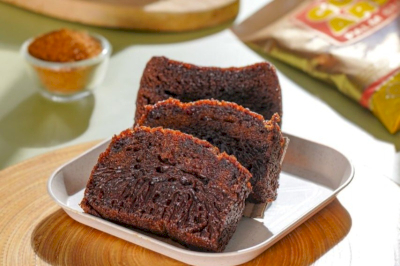
Kue sarang semut is also known as caramel cake because caramel is one of its key ingredients. Caramel is made by heating sugar until it melts and develops a golden-brown to deep-brown color. When incorporated into the batter, it gives the cake its signature color, aroma, and rich caramel flavor.
From Caramel to a Traditional Indonesian Cake
There is no definitive historical record identifying who or which region first created kue sarang semut. The cake has long been known and made in various parts of Indonesia, with recipes and preparation techniques varying from one region to another.
Its development may also have been influenced by caramel-based cakes found in baking traditions from outside Indonesia. Over time, these techniques were adapted to local ingredients, practices, and tastes, resulting in a cake with its own distinctive characteristics.
One of the most fascinating aspects of kue sarang semut is the formation of its characteristic holes. These air pockets develop during baking as a result of reactions and gas release within the batter, creating the porous structure that has become the cake’s signature feature.
A Timeless Flavor
The combination of sweetness and rich caramel aroma gives kue sarang semut its unmistakable character. Its texture also sets it apart from typical sponge cakes—it is soft, slightly chewy, and filled with distinctive pores.
Today, kue sarang semut remains a beloved traditional cake in Indonesia. Its simple ingredients, distinctive caramel flavor, and unique honeycomb-like appearance make it a cake that continues to be enjoyed while also inspiring new variations.
From a simple caramel-based batter comes a uniquely textured cake that has become part of Indonesia’s rich culinary heritage.

