

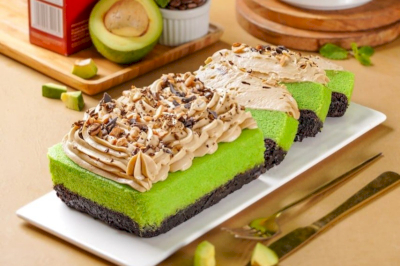
At first glance, these three types of cake may look quite similar, but they are actually very different! Basic cakes can be categorized into several types, including butter cake, sponge cake, and chiffon cake. These three varieties are among the most popular and can be found in bakeries and cake shops around the world.
The differences between these three types of cake can usually be felt by touching their texture. Among the three, chiffon cake has the softest texture and larger air pockets, giving it a sponge-like structure. Meanwhile, butter cake has the densest texture and can dry out more easily when left at room temperature.
Sponge cake and chiffon cake share a similar shape and appearance. Both have a sweet flavor and can be paired with a wide variety of creams and fillings, making them even more delicious.
At a glance, many people consider these two cakes to be the same because of their similar appearance. Soft and tender cakes continue to be popular choices for various occasions, from birthday parties and weddings to celebratory gatherings. Their sweet flavor and delicate texture make them a favorite among many people.
The differences in texture between sponge cake, chiffon cake, and butter cake are the result of different ingredient compositions and preparation methods. When making chiffon cake, the first step is to whip the egg whites with sugar until light and voluminous before folding them into the flour-based batter. This method gives chiffon cake its exceptionally soft texture and slightly springy feel.
For sponge cake, both egg yolks and egg whites are typically whipped with sugar, resulting in a cake that is denser than chiffon cake while remaining soft and tender. Meanwhile, in butter cake, the batter is creamed with butter until light and fluffy, allowing the sugar to dissolve and incorporate well. The combination of butter and sugar produces a denser, richer cake with a slightly greasy mouthfeel.
When making chiffon cake, it is essential to ensure that all equipment is completely free of grease so that the egg whites can whip to their full volume. Even the chiffon cake pan should be free of grease, as excess oil can cause the cake to shrink after baking.
These three types of cake also require different baking temperatures to achieve the best results. Sponge cake and chiffon cake are generally baked at temperatures ranging from 180–200°C, while butter cake is typically baked at around 170°C.

