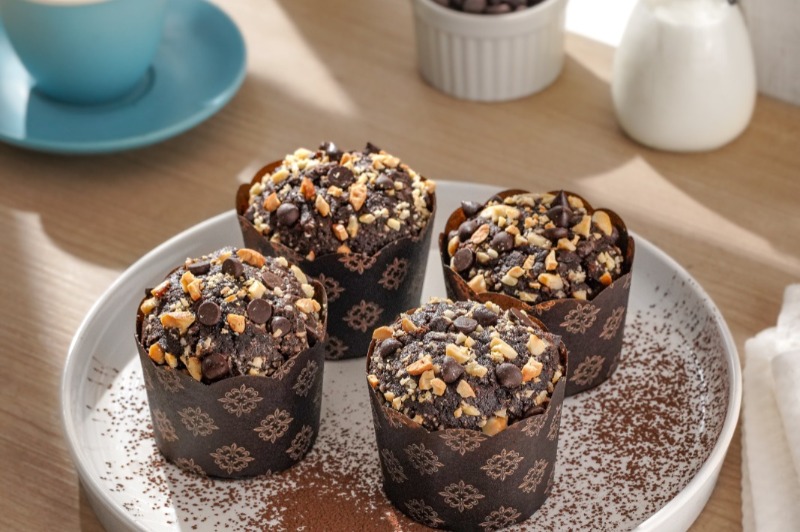
The muffin we know today is more than just an ordinary cake. Behind its simple appearance lies a long cross-cultural journey—from traditional English kitchens to becoming a modern bakery icon around the world.
The story of the muffin began in England in the 18th century. At that time, muffins were not sweet cakes like they are today, but rather simple bread made from flour, water or milk, and yeast.
This dough was cooked on a griddle (flat pan) rather than baked in an oven. The result was a flat bread with a soft interior and a slightly crisp exterior. Interestingly, muffins were often associated with the working class. There was even a unique tradition where the “muffin man” (a traveling muffin seller) would walk through the streets ringing a bell to attract customers.
When the muffin recipe was brought to America, a major transformation took place. In the United States, muffins began to be baked in ovens and incorporated additional ingredients such as sugar, eggs, and butter.
As a result, muffins evolved from simple bread into a softer, sweeter, and fluffier cake. This is what we now know as the American muffin—a modern version with a much richer taste.
As the baking world continued to evolve, muffins developed into a wide variety of flavors and toppings, such as blueberry muffins, one of the most classic varieties, and chocolate muffins, a global favorite.
Muffins also became more visually appealing, featuring toppings like crumble and even healthier versions such as low-sugar and gluten-free options.
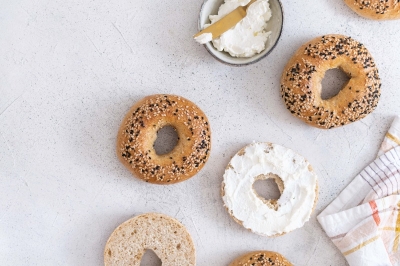
Sourdough Bagel, Pilihan Roti Sehat
Roti sourdough merupakan pengganti roti putih yang lebih sehat. Sourdough merupakan jenis roti yang dibuat dengan kombinasi tepung dan air yang telah difermentasi selama beberapa hari. Sourdough atau adonan asam dibuat bersama lactobacilli dan ragi alami.
Read More
5 Cara Agar Bisnis Tetap Optimal Di Saat Pandemi
Meskipun wabah Covid-19 membuat banyak jenis usaha kehilangan banyak omzet, bukan berarti bisnis restoran harus mengalami hal yang sama. Bisnis restoran justru bisa mengoptimalkan peluang usaha di saat krisis seperti ini, karena banyak orang yang mengandalkan restoran untuk kebutuhan makan sehari-hari. Berikut beberapa cara yang bisa dilakukan para foodpreneur untuk mengoptimalkan peluang usahanya di tengah wabah virus Corona:
Read More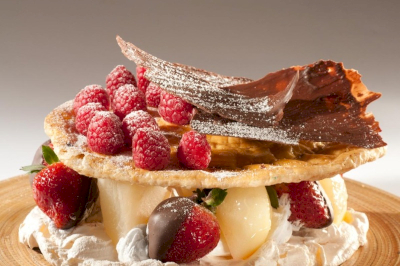
Teknik Deconstructed Pada Dessert
Deconstructed food merupakan tren sajian makanan dengan mengubah bentuk aslinya atau lebih tepatnya 'mengacak-acak' bahan makanan hingga tampil lebih artistik.
Read More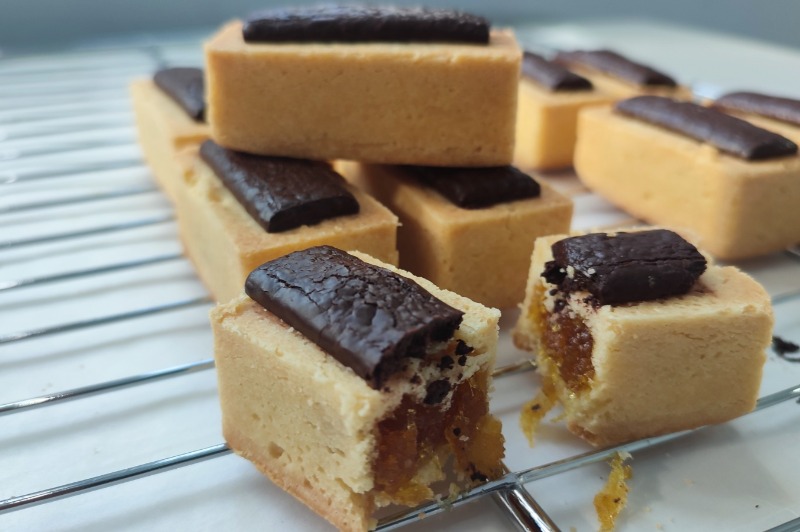
Nastar Creations with Chocolate
Nastar is not entirely native to Indonesia; it is the result of a cultural blend between Europe (the Netherlands) and local Indonesian traditions. The name “nastar” comes from the Dutch words ananas (pineapple) and taart (cake/tart). Therefore, nastar means “pineapple tart.”
Read More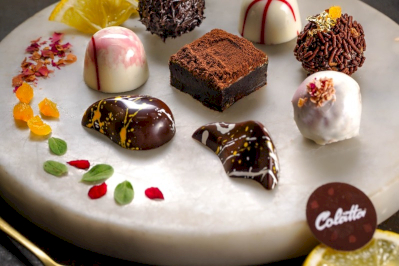
Kemudahan Berkreasi Praline dengan Chocolate Button
Colatta Dark Compound sering digunakan untuk berbagai campuran olahan cokelat dan aplikasi cetak, salah satunya untuk membuat kreasi chocolate yang banyak dijadikan sebagai special gift, salah satunya praline. Alasannya karena Colatta memiliki cita rasa khas cokelat yang lezat dengan intensitas rasa cokelat yang kuat, sehingga siapa saja yang menikmatinya pasti suka.
Read More
Perfect Match! Colatta Choco Drink, Almond Soy & Cendol
Pamor susu kedelai mungkin tak setinggi susu sapi. Namun, tak sedikit juga orang yang sudah menjadi penikmat tetap susu nabati ini. Kombinasikan dengan Colatta Choco Drink dan cendol hijau sebagai topping, hmmm istimewa pastinya yah! Susu nabati ini bebas kolesterol, rendah lemak jenuh, dan tidak mengandung laktosa sehingga dapat dijadikan sebagai alternatif susu sapi. Tidak hanya itu, susu kedelai juga mengandung protein, vitamin D, vitamin B12, zinc, omega-3, dan rendah kalori. Kombinasi nutrisi yang terkandung di dalam susu kedelai membuatnya dapat mendatangkan beragam manfaat sehat.
Read More
Tren Wool Roll Bread
Suka berkreasi dengan roti? Yuk coba Wool Roll Bread, kreasi roti terbaru yang sedang viral dan kekinian di media social. Buat yang suka berkreasi dengan roti, cocok banget nih mencoba resep roti ini. Tahapannya pun sama dengan membuat roti manis pada umumnya.
Read More
Mengenal Keunggulan Cokelat Compound
Cokelat compound adalah cokelat yang paling umum digunakan di berbagai kalangan, mulai dari skala rumahan, UMKM, industri pastry & bakery hingga confectionery. Pasalnya, jenis cokelat ini memiliki banyak keunggulan dan sangat mudah digunakan.
Read More
Berkreasi dengan Piscok Kekinian!
Bagi kamu yang hobi jajan tetapi sedang mager keluar rumah, bisa coba bikin resep pisang cokelat atau popular disebut piscok. Cara membuat pisang cokelat terbilang simpel, karena cukup menggunakan kulit lumpia siap pakai. Sementara, bahan isiannya cukup pisang dan cokelat, dan batang. Camilan manis ini pun bisa kamu jadikan menu jualan. Bahan utamanya murah, tentu modalnya tidak terlalu banyak.
Read More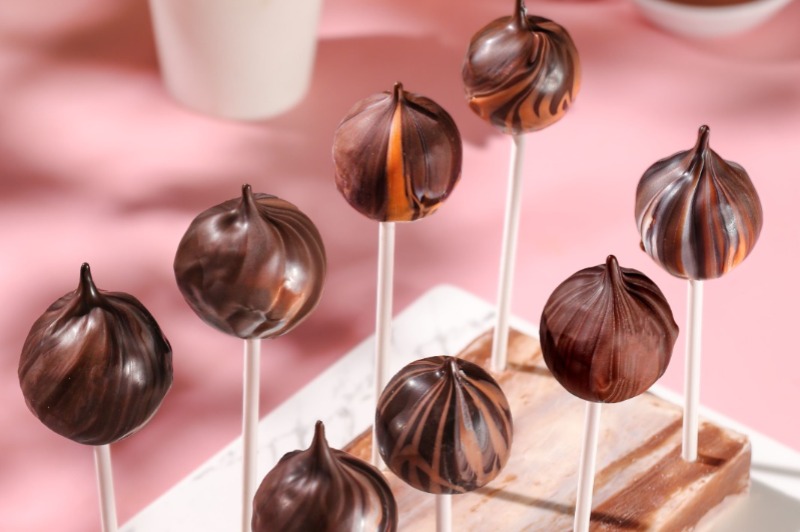
Cake Pops, Small in Size with Big Flavor
Cake pops first became widely known in the early 2000s in the United States. The original idea was very simple: to make use of leftover or crumbled cake so it wouldn’t go to waste.
Read More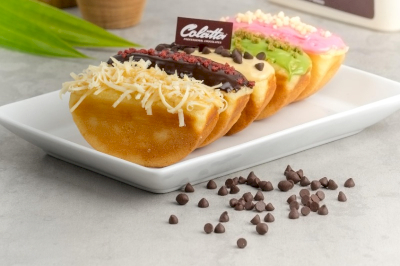
Uniknya Choco Chips Si Cokelat Mini
Bila kamu penggemar makanan manis pasti tidak asing lagi dengan salah satu jenis taburan yang satu ini. Yup, taburan tersebut merupakan choco chips.
Read More
Combining Flavors with Chocolate
Memiliki cita rasa yang manis dan lembut, cokelat menjadi salah satu jenis makanan yang digemari oleh banyak orang. Cara menikmatinya pun sangat beragam; bisa dinikmati secara langsung, diolah menjadi minuman, ataupun dimasak hingga menjadi dessert yang menggugah selera.
Read More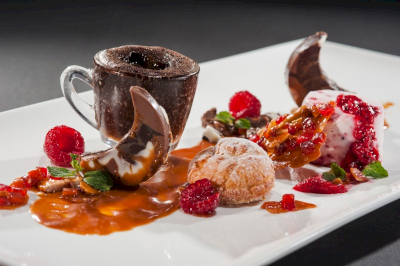
Harmonisasi dalam Plated Dessert
Dessert atau hidangan penutup kini telah menjadi favorit banyak orang dan menjadi pelengkap pada saat menikmati makanan dalam satu rangkaian. Mangkonsumsi sesuatu yang manis dan segar setelah makan sudah menjadi sebuah tradisi.
Read More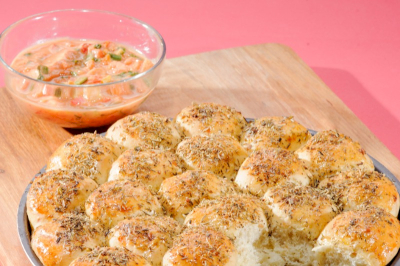
Whipped Cream, Andalan Serbaguna Para Ibu
Roti adalah makanan favorit bagi hampir semua orang. Karena praktis roti bisa untuk sarapan, makanan tengah, waktu senggang atau camilan. Roti yang lezat juga bisa dibuat sendiri di rumah. Lebih praktis dan hemat. Salah satu rahasia lezat pembuatan roti yaitu penggunaan whipped cream sebagai bahan tambahan.
Read More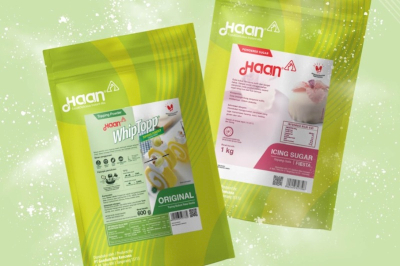
Kombinasi Haan Whiptopp & Haan Icing Sugar Fiesta
Dua produk unggulan dari Haan, yaitu Haan WhipTopp memberikan kemudahan dalam penggunaan dan penyimpanan serta Haan Icing Sugar Fiesta memiliki kualitas yang premium, keduanya cocok digunakan untuk berbagai dekorasi, isian, dan campuran pada kue serta masakan. Sebab itulah kedua produk ini cocok untuk berbagai jenis usaha.
Read More
Korean Lunch Box Cake yang Serba Minimalis
Seiring waktu tren kuliner pasti berubah-ubah. Apalagi selama pandemi COVID-19 ini banyak bermunculan tren-tren kuliner yang unik. Ada yang tercipta dari kuliner sebelumnya dan ada pula yang muncul perdana alias pertama kalinya. Salah satunya Korean Lunch Box Cake. Seperti kebanyakan hidangan ala Korea lainnya, cake yang dikenal minimalis ini juga sering dimunculkan di serial drama Korea.
Read More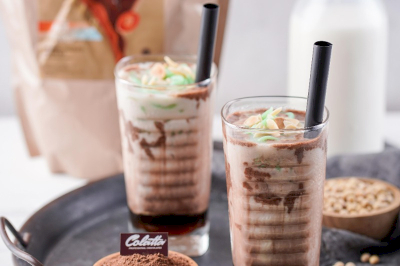
Sensasi Es Cendol Cokelat
Es cendol memiliki cita rasa yang manis, gurih, dan menyegarkan, tidak heran banyak orang sangat menyukai minuman yang satu ini. Meski umumnya cendol disajikan dengan santan, namun ada juga yang menyajikan tanpa santan atau dengan krim untuk menghadirkan rasa yang berbeda.
Read More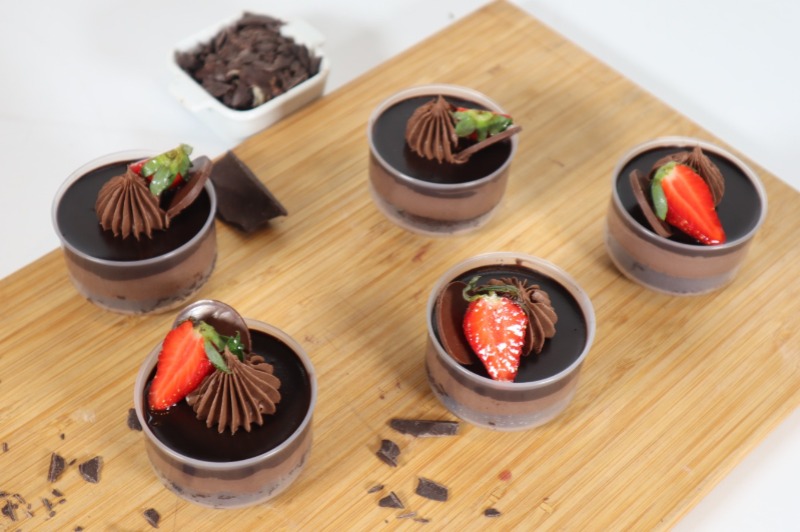
Mini Brownies in Cup Version
Mini brownies in cup are a modern innovation of the classic brownies that originated in the United States. Brownies themselves were first introduced in the late 19th century as dense chocolate cakes baked in pans and cut into square p
Read More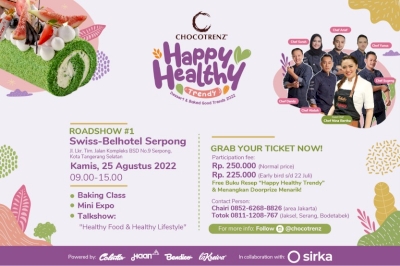
Roadshow Perdana Chocotrenz "Happy Healthy Trendy" di Tangerang
Baking Demo Roadshow Perdana Chocotrenz "Happy Healthy Trendy" di Tangerang Belakangan ini gaya hidup sehat telah menjadi pilihan pola hidup yang banyak diminati oleh masyarakat. Namun di sisi lain, ada banyak pertimbangan yang membuat orang ragu untuk memulainya. Makanan sehat masih bisa enak, enjoyable dan bikin happy engga ya
Read More
Beragam Tema Hampers Kekinian
Berkirim hantaran atau parcel sudah menjadi tradisi umum di Indonesia. Bahkan momen penting seperti Lebaran maupun Natal selalu diwarnai dengan saling mengirimkan parsel atau sering disebut juga bingkisan cantik. Dengan mengirimkan parcel dipercaya sebagai lambang berbagi kebahagiaan sekaligus menjalin tali silaturahmi dengan kerabat dan relasi. Berdasarkan beberapa sumber, di Indonesia sendiri budaya berkirim parcel sudah dimulai sejak zaman penjajahan. Sejak dulu parcel menjadi pilihan sebagai hadiah untuk ulang tahun, mengunjungi ibu yang melahirkan, dan momen bahagia lainnya. Namun parcel kala itupun belum dikemas dengan dekorasi cantik seperti saat ini.
Read More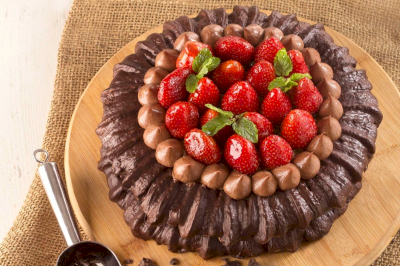
Kombinasi Pavlova Cokelat dan Buah-buahan
Apa itu pavlova? Kue busa yang dibuat dari campuran putih telur kocok, gula, dan topping buah-buahan ini terdiri dari meringue yang memiliki tekstur renyah dengan isian yang creamy.
Read More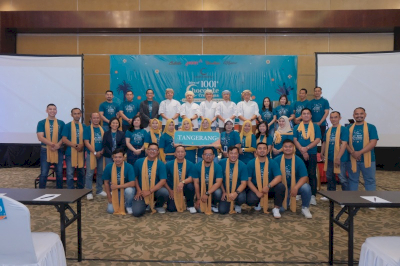
Keseruan Kreasi Timur Tengah di Chocotrenz 2023
Chocotrenz merupakan kegiatan tahunan dari PT Gandum Mas Kencana (GMK) yang menaungi brand Colatta, Haan, Bendico, dan La Kreiva. Hadir sebagai media inspirasi bagi para food creator, Chocotrenz memberikan ide-ide baru dalam olahan pastry, bakery dan cokelat untuk menghasilkan kreasi yang unik sebagai upaya pengembangan bisnis.
Read More
Instagramable Menjadi Daya Pikat Utama
Jaman sekarang, restoran dan cafe tidak hanya menjadi tempat makan semata, melainkan menjadi tempat berkumpul atau “nongkrong” yang asyik untuk keluarga apalagi bagi anak muda. Inilah yang membuat unsur “instagramable” menjadi salah satu hal yang penting diperhatikan dan memenuhi syarat estetika mereka untuk disebarluaskan melalui platform social media.
Read More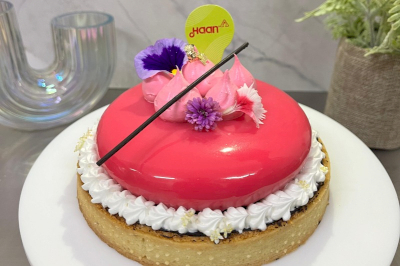
Bisnis Hampers Jelang Hari Raya
Meskipun masuk dalam kategori bisnis musiman, namun peluang usaha hampers tidak bisa dianggap remeh. Tertarik untuk memulai bisnis hampers? Berikut tipsnya:
Read More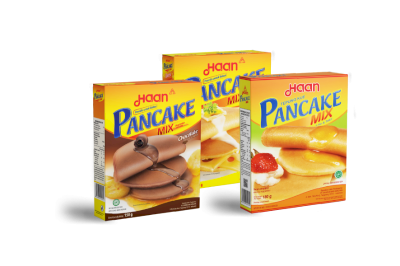
Bikin Bekal Mudah dari Haan Pancake Mix
Pernah mencoba pancake? Salah satu jenis makanan yang sangat lembut saat digigit pertama kali ini dikenal juga dengan istilah panekuk.
Read More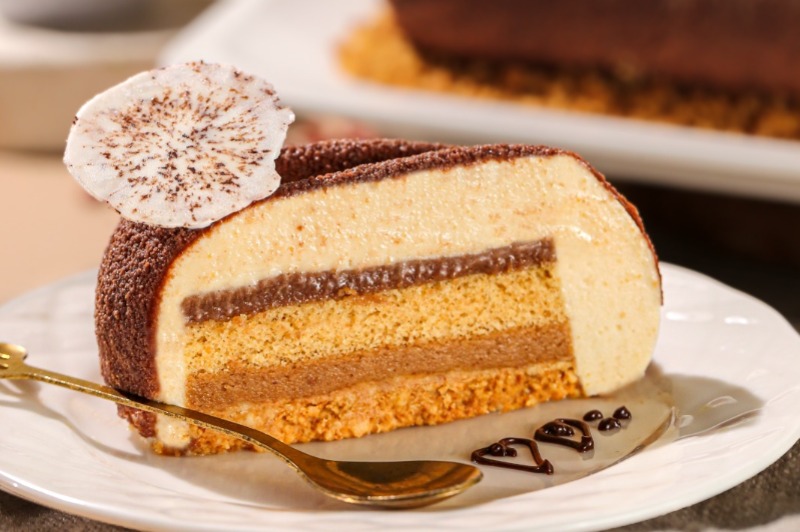
Entremet, the Cake Everyone Looking For
Entremet cake originates from French culinary tradition. The word entremet comes from the French words entre (between) and mets (dishes). In the Middle Ages, entremet was not originally a cake, but an intermediate dish served between main courses at noble banquets. These dishes were often elaborate and artistic, symbolizing social status.
Read More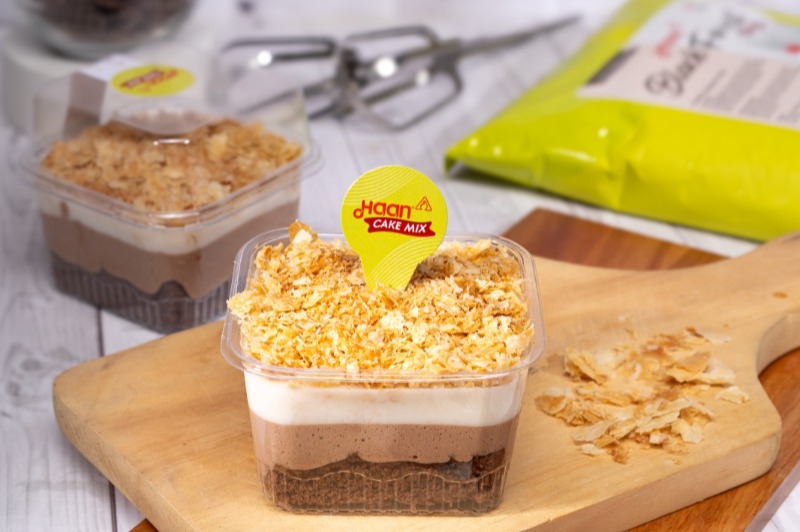
Napoleon Cake Dessert Box
Napoleon Cake is a famous Russian layer cake inspired by the French mille-feuille. This cake consists of many layers of crispy puff pastry arranged with a soft custard cream between them. Its rich texture combines the crispness of the pastry with the softness of the sweet custard.
Read More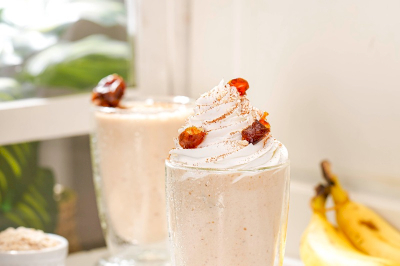
Whipped Cream Andalan Para Pemilik Usaha
Menjelang Hari Raya dan hari festive, bermunculan inovasi makanan dan minuman kekinian yang tampil menggoda dan menarik. Tidak hanya menggugah dari segi rasa, berbagai jenis cake terutama dessert tentu perlu memikat secara tampilannya. Salah satunya adalah dengan penggunaan whipped cream.
Read More
Chocolate Button Memberi Kemudahan Berkreasi
Colatta Dark Compound sering digunakan untuk berbagai campuran olahan cokelat dan aplikasi cetak, salah satunya untuk membuat kreasi chocolate yang banyak dijadikan sebagai special gift, bingkisan atau hampers. Alasannya karena Colatta memiliki cita rasa khas cokelat yang lezat dengan intensitas rasa cokelat yang kuat, sehingga siapa saja yang menikmatinya pasti suka.
Read More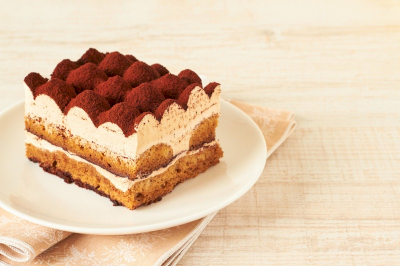
Kreasi Baru dengan Galetto Tiramisu
Cokelat Compound sering digunakan untuk berbagai campuran olahan cokelat dan aplikasi cetak, alasannya karena compound mudah digunakan dan serbaguna. Salah satunya Galetto, cokelat yang memiliki cita rasa khas cokelat yang lezat dengan intensitas rasa cokelat yang kuat ini membuat siapa saja yang menikmatinya pasti suka. Seperti apa kegunaan cokelat Galetto dan bisa dikreasikan untuk apa saja ya?
Read More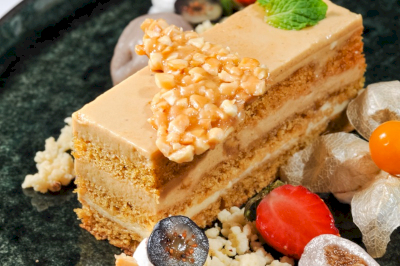
Elemen Penunjang dalam Plated Dessert
Dessert atau hidangan penutup kini telah menjadi favorit banyak orang dan menjadi pelengkap pada saat menikmati makanan dalam satu rangkaian. Mengkonsumsi sesuatu yang manis dan segar setelah makan sudah menjadi sebuah tradisi.
Read More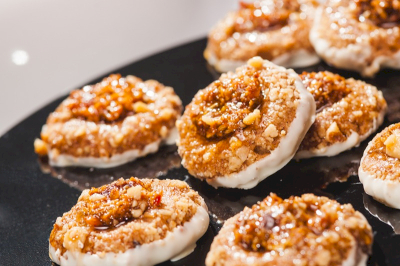
Kue Tapak Jempol Favorit
Thumbprint cookies atau kue kering tapak jempol bukanlah kue kering kekinian. Namun, sajian klasik yang berasal dari Swedia tetap populer dan semakin bervariatif. Momen perayaan hari istimewa biasanya dimeriahkan dengan hadirnya hidangan spesial, termasuk thumbprint cookies, si mungil yang punya rasa manis.
Read More
Karpatka Cake, Kue Choux Versi Big Size
Sedang tren Karpatka Cake atau Kue "Gunung" Polandia. Dessert ini adalah sejenis pie krim tradisional Polandia yang diisi cream filling. Nama makanan penutup ini diambil dari bentuk lipit yang menyerupai gunung yang menyerupai puncak bersalju Pegunungan Carpathian atau Karpaty dalam bahasa Polandia.
Read More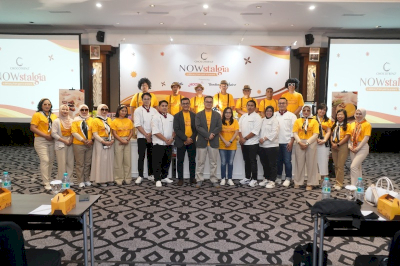
CHOCOTRENZ 2024: Nowstalgia, a delicacy from past to present
Chocotrenz hadir kembali! Seperti tahun-tahun sebelumnya, Chocotrenz selalu mengusung kreasi yang unik dan out of the box. Di Chocotrenz kali ini, Gandum Mas Kencana selaku produsen dari produk Colatta, Haan, Bendico dan La Kreiva mengusung tema “Nowstalgia, a delicacy from past to present.”
Read More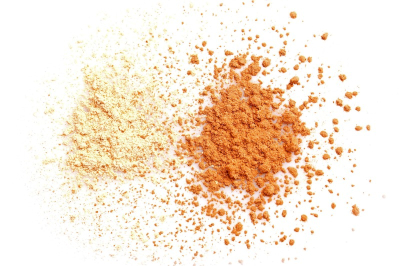
La Kreiva Crumble Hadir dalam Rasa Baru!
Percantik beragam sajian dengan La Kreiva Crumble! Crumble siap pakai ini tersedia dalam dua rasa baru, yaitu Speculaas dan Marie Biscuit. Taburkan di atas berbagai jenis kue dan hidangan penutup untuk memberikan sensasi rasa dan tekstur yang unik.
Read More
Tren Kue Shortcake dalam Kaleng
Tren kue dalam jar atau box mungkin sudah biasa. Pernahkah melihat cake yang berada dalam kaleng? Baru-baru ini ada yang menarik dari Jepang yaitu cake buah dalam kaleng atau dengan nama lain Shortcake Canned. Cake buah dan krim yang dikemas dalam kaleng berhasil menarik perhatian masyarakat Jepang dan kini Indonesia.
Read More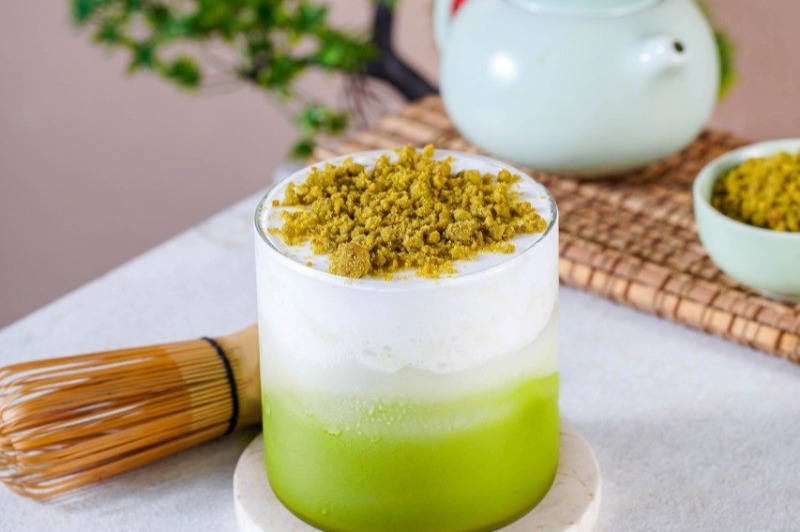
The Origin and Creative Evolution of Matcha
Matcha is a finely ground green tea powder made from specially cultivated tea leaves. Today, it is widely recognized as a premium ingredient in beverages, desserts, and pastries, but its history dates back centuries.
Read More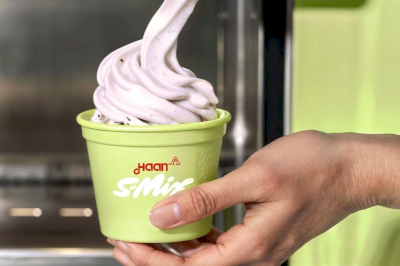
Haan S-Mix, Es Krim JempolHaan Pelaku Usaha
Premix Haan S-Mix sebagai alternatif bahan pembuat es krim yang memudahkan pengusaha dalam pembuatan hingga penyimpanan & distribusinya.
Read More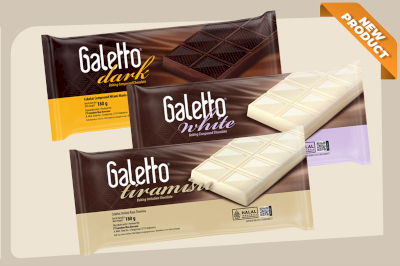
Berkreasi Dengan Chocolate Galetto
Cokelat Compound sering digunakan untuk berbagai campuran olahan cokelat dan aplikasi cetak, alasannya karena compound mudah digunakan dan serbaguna. Salah satunya Galetto, cokelat yang memiliki cita rasa khas cokelat yang lezat dengan intensitas rasa cokelat yang kuat ini membuat siapa saja yang menikmatinya pasti suka. Seperti apa kegunaan cokelat Galetto dan bisa dikreasikan untuk apa saja ya?
Read More
Petit Fours: Sajian Imut dari Perancis
Istilah petit fours mungkin masih jarang terdengar di telinga kita, namun sebetulnya kita sudah biasa menyajikan sajian ini saat acara-acara special seperti arisan, tunangan, pernikahan atau acara lainnya. Petit fours ialah sebutan untuk kue mungil yang kebanyakan berasa manis, tapi ada juga varian rasa lainnya seperti gurih dan asin. Jenis kue yang termasuk diantaranya mini pie, kue potong hingga kue kering juga termasuk ke dalam golongan petit fours.
Read More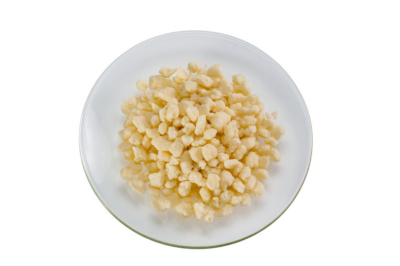
Sensasi Crunchy dari La Kreiva Crumble
Menghidangkan suatu sajian bersama crumble bisa membuat sensasi renyah ketika disantap. Fungsi remahan tersebut pun tidak melulu sebagai penghias, namun bisa menyempurnakan tekstur sebuah hidangan.
Read More
Tips Membuat Dekorasi Cokelat
Cara membuat cokelat menjadi hiasan pada kue umumnya dilakukan dengan melelehkan cokelat, baru membentuk sesuai selera. Namun, ada juga cara lebih praktis yang dapat mempersingkat waktu untuk menghias kue.
Read More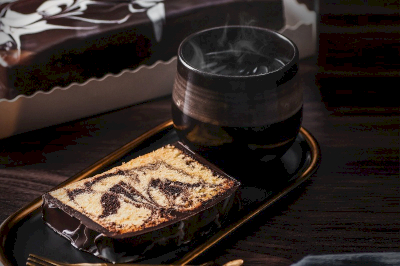
Sajian Spesial Marmer Chocolate Cake
Kue marmer atau dikenal juga dengan sebutan marble cake adalah kue dengan tampilan belang-belang seperti lantai marmer. Kombinasi dari campuran adonan putih dan adonan yang gelap biasanya berupa campuran vanilla dan kue cokelat.
Read More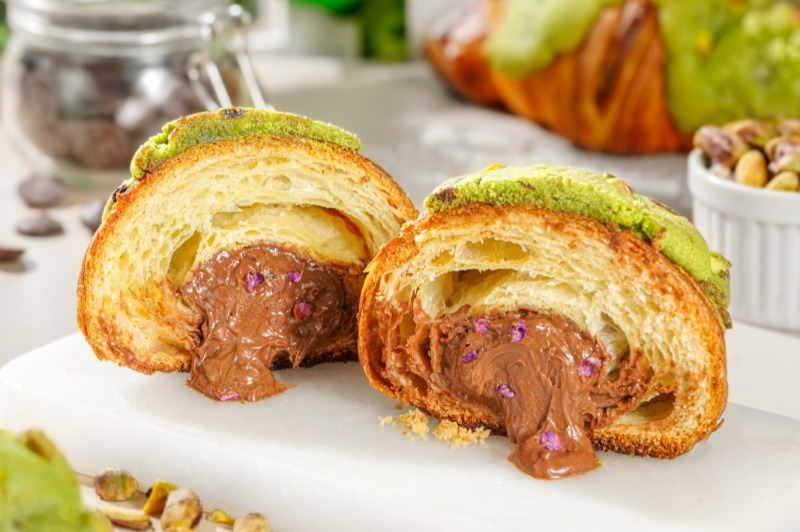
Crookie, the Innovation of Croissant and Cookie
The croissant, a world-famous pastry known for its distinctive shape, has gone through many evolutions. Now, its latest version—the “Crookie,” or croissant cookie—is trending in Paris and around the world.
Read More
Tren Bolu Lapis Legit Gulung, Mudah & Praktis
Bagaimana jika kue lapis legit dikombinasikan dengan bolu gulung? Tiap tahun masyarakat terus mengembangkan kreasi dan penemuan kuliner di Indonesia. Kue atau jajanan Indonesia terkenal dengan beraneka jenis rasa makanan khas yang masih tradisional dan bisa dimodifikasi dengan beragam makanan internasional. Usaha di bidang masakan pun banyak digeluti oleh generasi muda sampai para ibu dengan memadukan konsep tradisional, enak dan simple.
Read More
Tren Pudding Susu Buah Lembut
Puding yang kita kenal sekarang, dulunya memang bukan disajikan sebagai dessert dengan cita rasa manis. Baru di abad ke-19, saat produksi kue dan agar-agar mulai berkembang, puding kemudian beralih haluan menjadi makanan penutup yang manis.
Read More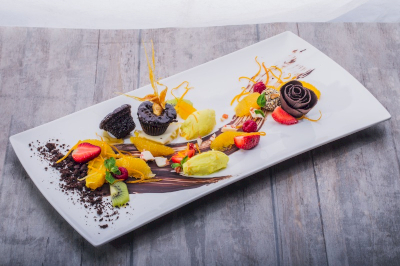
Pentingnya Tampilan Cantik dalam Sajian Dessert
Dessert atau hidangan penutup kini telah menjadi favorit banyak orang dan menjadi pelengkap pada saat menikmati makanan dalam satu rangkaian. Mangkonsumsi sesuatu yang manis dan segar setelah makan sudah menjadi sebuah tradisi.
Read More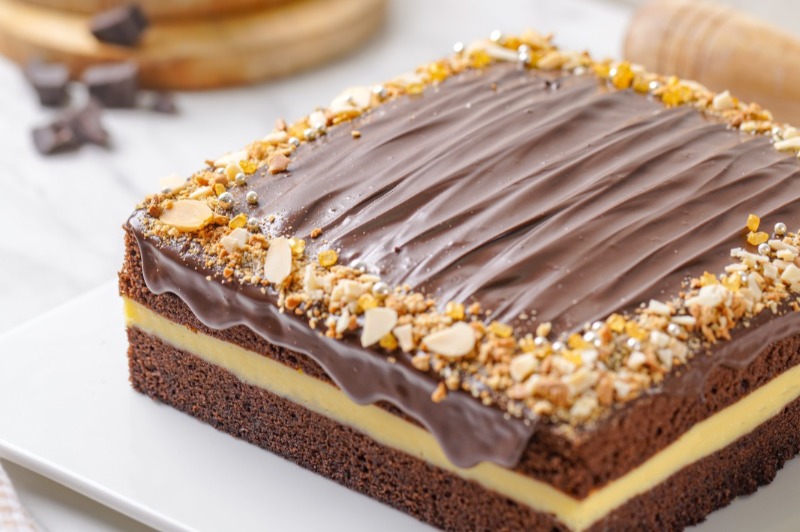
Chocolate Layered Cheese Cake
A layered cheesecake with a soft, creamy texture, paired with rich and intense chocolate layers. Each layer delivers a harmonious balance of sweet and savory flavors, creating a delightful experience in every bite.
Read More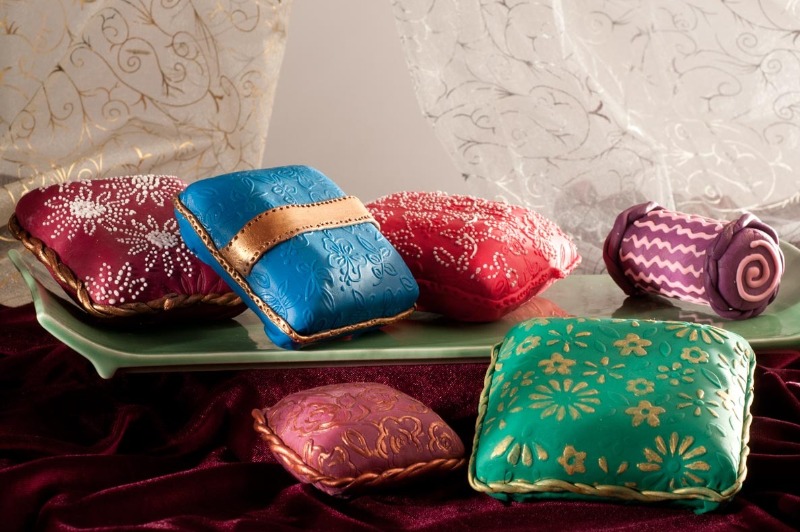
Ramadan Hampers Business Inspiration
The blessed month of Ramadan is a special moment to strengthen faith and seek abundant blessings. During this time, many people also look for business ideas to increase their income and boost sales—from Ramadan menu offerings to products prepared for Eid al-Fitr. What unique creations can attract potential customers?
Read More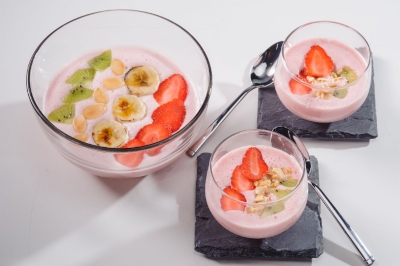
Segarnya Berbuka Puasa Dengan Smoothie Bowl
Berbuka puasa memang paling nikmat dengan hidangan segar dan manis. Nah, untuk mensiasati agar hidangan tetap menyehatkan dan menghindari kelebihan gula saat berbuka puasa, kombinasikan dengan bahan-bahan pilihan bernutrisi yang tetap nikmat. Salah satunya resep Banabery Smoothie Bowl. Badan langsung kembali berenergi setelah seharian berpuasa.
Read More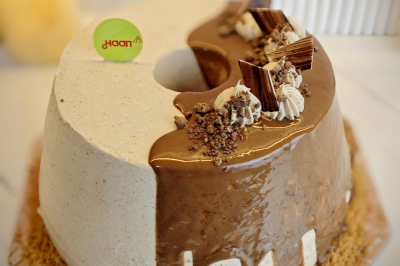
Kemudahan Kreasi Chiffon Dari Haan Cake Mix
Chiffon cake merupakan kue dengan tekstur empuk dan berongga besar menyerupai spons. Untuk membuat chiffon cake, hal pertama yang harus dilakukan adalah mengocok gula dengan putih telur hingga mengembang, baru kemudian bisa dicampurkan ke dalam adonan tepung terigu. Metode inilah yang membuat tekstur chiffon cake sangat empuk dan agak membal saat disentuh.
Read More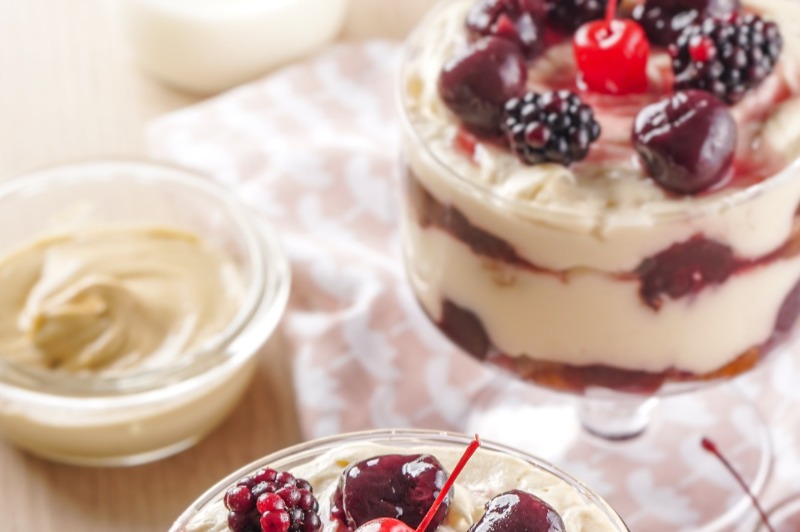
Trifle, A Special Dessert That’s Easy to Customize
The word trifle comes from English, meaning something trivial or light, referring to a simple dessert that was originally easy to make. Trifle was first recorded around 1596 in an English recipe book. At that time, trifle was quite different from what we know today. Its early version consisted of a thick cream flavored with sugar, ginger, and rosewater, without any layers of cake or fruit.
Read More
Inovasi Hybrid Croffle, Padanan Croissant - Waffle
Meski namanya menggabungkan dua jenis makanan, croffle bukanlah croissant dan waffle yang dimasak menjadi satu. Croffle ini memiliki bentuk seperti waffle pada biasanya, namun dibuat dengan adonan croissant. Saat digigit teksturnya tidak sepadat waffle biasa karena basic adonannya terbuat dari croissant . Croffle memiliki tekstur berlapis dan renyah. Cara membuat croffle adalah dengan memasukkan adonan croissant pada alat pemasak waffle.
Read More
Ragam Keunggulan Colatta Glaze White & Strawbery
Tahukah kamu kalau beragam kreasi kue, dessert hingga minuman bisa tampil semakin cantik dengan Colatta Glaze?Selain tampilannya yang eye catchy juga trendy apalagi dibuat dessert dengan beragam rasa, ada varian baru dari Colatta dengan kemasan yang hemat dan praktis yaitu Colatta Glaze White dan Strawberry. Bisa dibuat apa aja ya enaknya?
Read More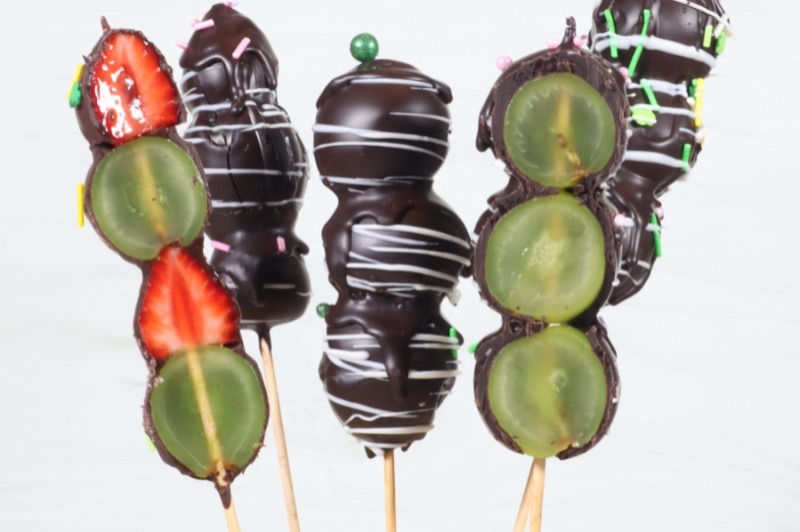
Es Kul Kul Creations
Es kul kul is a traditional Indonesian snack, especially popular in Bali. The name kul kul comes from the Balinese language and refers to a wooden slit drum—a traditional percussion instrument—because the shape of this frozen treat resembles a wooden stick or log.
Read More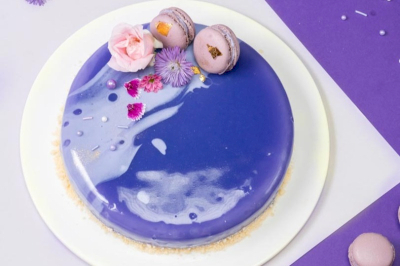
Berkreasi Dengan Cokelat Colatta
Seperti apa kegunaan cokelat dan bisa dikreasikan sebagai apa saja?
Read More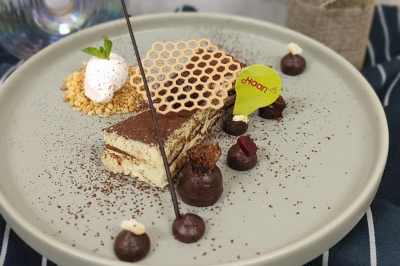
Elemen dalam Penyajian Plated Dessert
Dalam ilmu penyajian makanan, plated dessert merupakan materi bagaimana cara menghias piring dengan cantik dan dapat menarik perhatian orang.
Read More
Senam Sehat Bersama Haan
Berlangsung meriah pada Minggu 6 November lalu, senam sehat ala Haan ini diikuti oleh 1.500 peserta!
Read More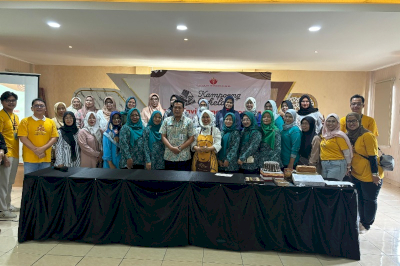
Kampoeng Cokelat, Bentuk Kepedulian GMK Kepada Penggiat UMKM
Usaha Mikro Kecil dan Menengah (UMKM) merupakan kegiatan usaha yang mampu memperluas lapangan kerja dan berperan dalam proses peningkatan pendapatan masyarakat serta mendorong pertumbuhan ekonomi. Sebab itulah Gandum Mas Kencana (GMK) sebagai salah satu produsen cokelat terbesar di Indonesia tergerak untuk turut membantu dan mengembangkan daya masyarakat di sekitar perusahaan untuk menjadi pelaku usaha yang dapat membantu perekonomiannya secara mandiri.
Read More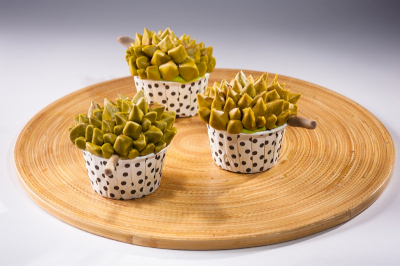
Kearifan Buah Lokal dalam Pastry & Cake
Mengunjungi suatu tempat, tidaklah sah jika tidak membawa buah tangan. Kue jenis pastry, cake dan bread masih mendominasi jenis makanan oleh-oleh banyak dicari para wisatawan. Alasannya sederhana karena kedua jenis makanan oleh-oleh ini bisa tahan lama dan memiliki rasa yang khas.
Read More
Menjelajah Destinasi Desserts Mancanegara
Rasa manis dan legit yang berasal dari makanan penutup a.k.a dessert pasti sulit sekali untuk ditolak. Beragam jenis cake, pastry, roti, hingga cokelat menjadi godaan terbesar para pecinta makanan manis. Nah, bagi para pemilik sweet tooth plus hobi travelling, beberapa tempat ini bisa jadi destinasi kulinermu berikutnya. Yuk kita intip dessert-dessert terlezat di dunia yang wajib dicoba saat jalan-jalan ke negara-negara ini.
Read More
Transformasi Choux, Kue Klasik dari Perancis
Saat ini mungkin kita mengenal kue sus sebagai jajanan tradisional Indonesia yang banyak ditemui di toko kue. Jika kalian mengira kue sus berasal dari Indonesia, ternyata kue yang lebih dikenal dengan sebutan choux ini berasal dari Perancis.
Read More
Hampers Inspiration: Praline Pistachio Kunafa
Kunafa (or kanafeh, kunafeh, knafe) is a traditional dessert originating from the Middle Eastern region. The combination of classic Middle Eastern kunafa with a modern touch of pistachio praline has become one of the rising trends in
Read More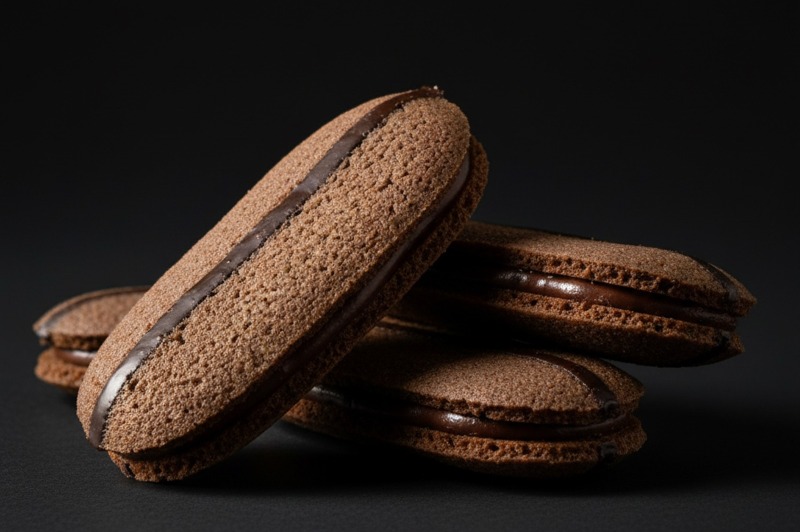
Cat Tongue Sandwich Cookies
Are a variation of the classic cat tongue cookies, made in pairs (sandwich-style) with a filling in between. They are known for their thin, elongated, and crispy shape, with a light texture. Two pieces of cookies are joined together with a filling, creating a sandwich-like form.
Read More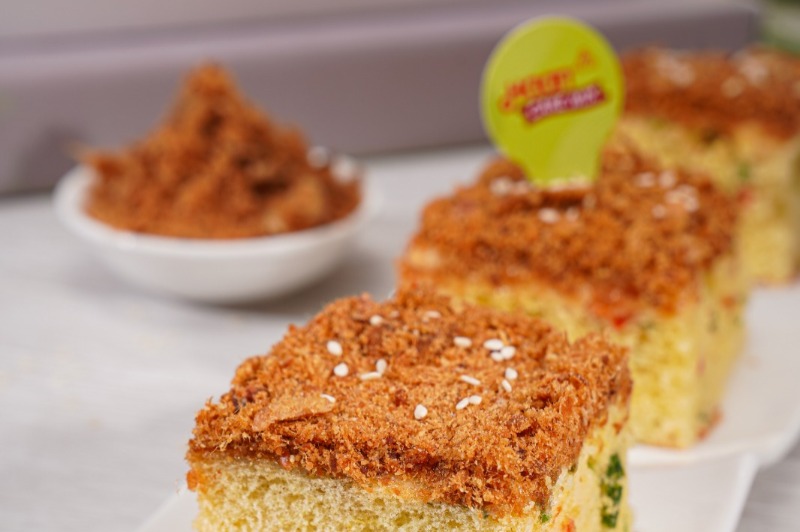
A Softer Version of the Abon Bread
Abon rolls, once synonymous with souvenirs from Manokwari, West Papua, have now become a culinary phenomenon throughout Indonesia. Their soaring popularity has led to the emergence of many new bakeries and outlets, offering various brands of abon rolls.
Read More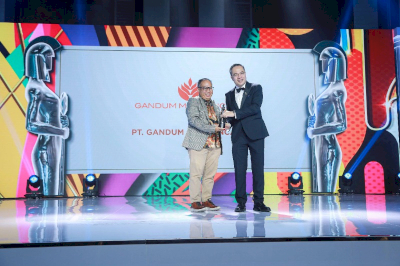
GMK Kembali Raih Gelar Tempat Kerja Terbaik dan 2 Gelar Lainnya dari HR Asia Awards 2024
Jakarta. PT Gandum Mas Kencana (GMK) sebagai produsen cokelat dengan brand Colatta, Haan, Bendico, dan La Kreiva, kembali meraih penghargaan sebagai salah satu perusahaan tempat kerja terbaik di Asia dalam ajang HR Asia Best Companies to Work for in Asia Awards 2024. Gelar tempat kerja terbaik ini berhasil diraih dan dipertahankan oleh GMK selama 3 tahun berturut-turut bersama dengan gelar Most Caring Company
Read More
Tips Agar Tart Shell Tidak Menyusut
DIbalik tampilan sebuah pastry yang cantik ternyata memerlukan keahlian tersendiri dalam mengolahnya. Membuat pastry bisa dibilang agak “tricky” dan perlu penanganan khusus dengan memperhatikan beberapa poin penting agar hasilnya maksimal. Berikut beberapa tips agar tart shell/pie shell terbentuk sempurna:
Read More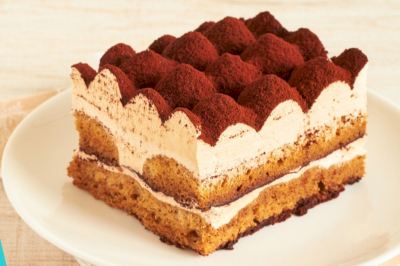
Tiramisu, Sajian Istimewa Ala Italia
Tiramisu kue keju khas Italia dengan taburan bubuk kakao di atasnya ini merupakan hidangan penutup yang dimakan dengan sendok, sehingga digolongkan ke dalam hidangan "al cucchiaio" ("dengan sendok"). Di dalam bahasa Italia, tiramisu sendiri berasal dari kalimat tirami su yang memiliki arti “Pick me up” atau “Pilih aku.” Kue ini tidak dibuat dari adonan dan tidak dipanggang.
Read More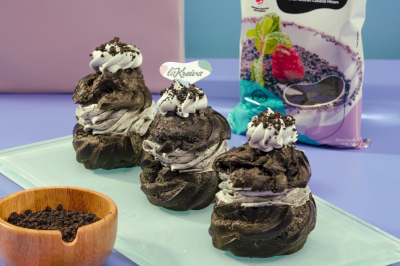
Berkreasi dalam Menu Hampers Ramadhan
Selamat datang bulan suci Ramadhan dan Idul Fitri. Bulan yang penuh berkah ini menjadi momentum untuk meningkatkan ketakwaan dan juga meraih berkah sebanyak-banyaknya. Biasanya ide usaha bulan Ramadan juga banyak dicari orang untuk menambah pemasukan dan meningkatkan omzet, mulai dari aneka menu Ramadhan hingga Idul Fitri. Kreasi unik apa saja yang dapat menarik minat calon pelanggan?
Read More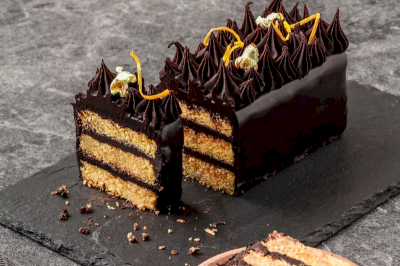
Beragam Manfaat Cokelat Bagi Tubuh
Selain enak dan menggoda lidah, ada beberapa manfaat cokelat untuk kesehatan lho. Apa aja ya?
Read More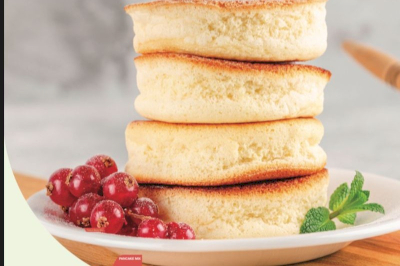
Souffle Pancake, Kreasi dari Haan Pancake Mix dan Colatta Glaze
Souffle pancake memiliki tekstur sangat lembut. Saat masuk ke mulut, souffle pancake ini akan langsung lumer. Bahkan karena teksturnya yang fluffy dan mudah bergoyang saat disentuh orang menyebutnya kue goyang-goyang.
Read More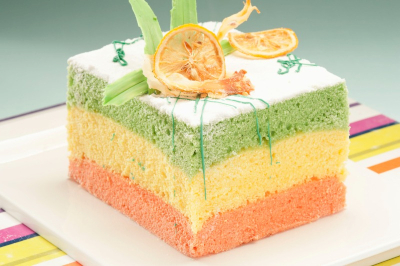
Memahami Perbedaan Butter Cake, Sponge Cake & Chiffon Cake
Sekilas, ketiga tampilan cake ini memang terlihat sama namun ternyata berbeda loh! Basic kue dibedakan menjadi beberapa jenis seperti butter cake, sponge cake, dan chiffon cake. Ketiga jenis kue inilah yang paling populer dan banyak dijumpai di berbagai toko roti seluruh dunia.
Read More
CLOUD KITCHEN: EFISIENSI DI TENGAH PANDEMI
Cloud kitchen sering disebut juga sebagai dapur satelit atau ghost kitchen. Di dalamnya tersedia ruang kerja berupa dapur besar dengan fasilitas lengkap yang bisa digunakan untuk memasak beragam menu dari sejumlah restoran. Restoran yang memakai konsep dapur bersama ini hanya menawarkan jasa delivery saja dan tidak menyediakan fasilitas makan di tempat. Proses pengantaran makanan ke pelanggan akan relatif lebih singkat dibanding dengan memesan di restoran konvensional.
Read More
Praline Nusantara, Hantaran Lebaran Anti-Mainstream
Berbagai kuliner khas bulan Ramadhan dan Idul Fitri menjadi sajian yang selalu dinantikan. Rasanya yang masih tradisional dan kental akan budaya masing-masing daerah memiliki penggemarnya tersendiri. Meskipun biasa ditemui sehari-hari, kuliner ini lebih terangkat menjelang hari raya tiba.
Read More
Kue Pukis, Jajanan Jadul yang Kekinian
Siapa yang tidak suka dengan pukis? Apalagi sekarang banyak varian kue pukis, tidak hanya diberi taburan meises ataupun keju saja. Dahulu kue pukis tidak ada topping seperti sekarang, hanya berwarna agak kekuningan dengan bagian bawah berwarna kecokelatan. Kini, di tangan orang-orang kreatif muncul inovasi berbagai macam topping dan rasa menjadi lebih menarik.
Read More
Jaring Laba-laba Khas Esterhazy Torta
Pada zaman dahulu, kue ini hanya dapat dinikmati keluarga kerajaan. Namanya sendiri juga berasal dari nama seorang Pangeran Hungaria, Esterhazy. Kue tersebut pun berhasil menjadi salah satu kue paling populer di Eropa.
Read More
Lebih Sehat dengan Roti Sourdough
Sourdough merupakan jenis roti yang dibuat dengan kombinasi tepung dan starter roti dari ragi alami yang telah difermentasi selama beberapa hari. Selain rasanya yang lebih unik, roti sourdough lebih menyehatkan dan mudah dicerna.
Read More
Varian Kue Mochi yang Terus Berkembang
Siapa yang tak kenal dengan kue legendaris yang satu ini? Memiliki tekstur yang kenyal dan manis membuat kue mochi menjadi cemilan yang banyak digemari masyarakat. Meskipun bukan kue asli Indonesia, kue mochi sudah dimodifikasi sedemikian rupa disesuaikan dengan lidah orang Indonesia.
Read More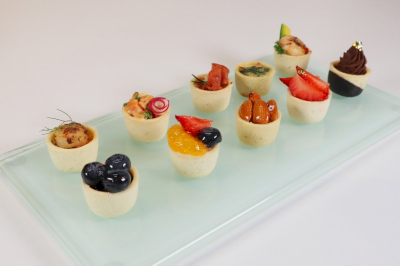
Tart Shell Mini dari La Kreiva
Siapa yang tidak suka dengan Tart? Salah satu jenis dessert yang identik dengan rasa manis dengan ukuran besar, sedang, dan kecil ini juga bisa dikreasikan untuk varian gurihnya loh! Siapa pun bisa cobain bikin tart yang renyah dengan berbagai macam varian isi yang pasti bikin kamu semangat menjalani harimu deh.
Read More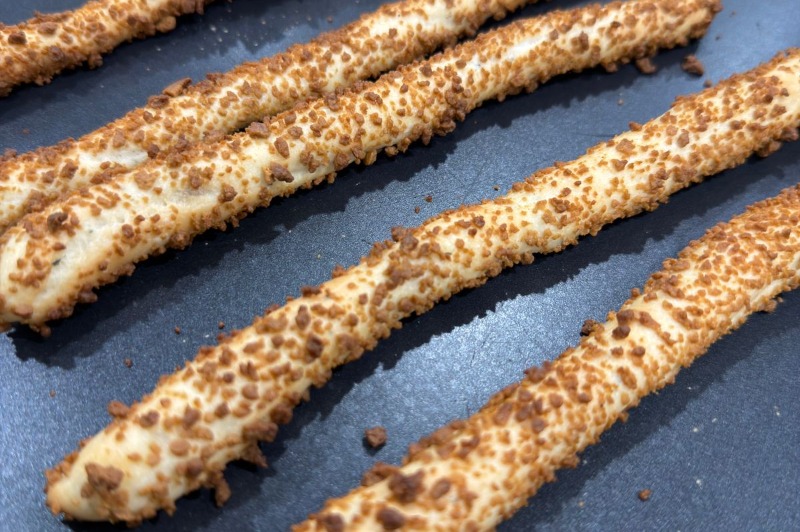
The Origin of Grissini: A Bread Made for Digestion
Grissini are thin, crispy breadsticks that originate from Italy. They were first created in the city of Turin, in the Piedmont region, around the 17th century. This bread was made for a young prince who had digestive problems.
Read More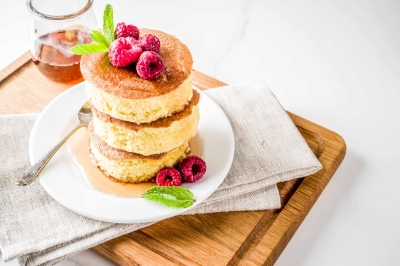
Souffle Pancake, Lembut & Jiggly
Pancake banyak digemari karena rasanya yang manis. Selain itu, pancake juga memiliki berbagai varian dan jenis. Salah satu pancake yang banyak disukai adalah Japanese Souffle Pancake. Kue lembut asal Negeri Sakura Jepang ini mulai banyak menyita perhatian terutama kalangan muda.
Read More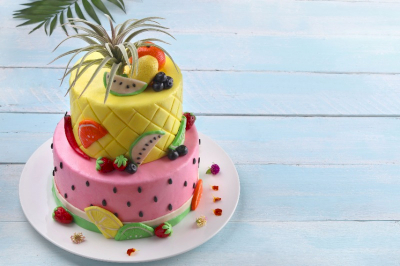
Tips Menggunakan Pewarna Cokelat yang Tepat
Mewarnai cokelat dapat menciptakan tampilan yang lebih artistik dan menarik secara visual. Menggunakan jenis pewarna yang tidak tepat beresiko membuat cokelat rusak dan tidak estetik. Bagaimana sih cara tepat menambahkan warna pada cokelat?
Read More
Kombinasi Dessert Favorit! Jelly & Cheese Cake in Jar
Punya rasa yang lembut dan manis, membuat cheese cake sering jadi menu favorit para pecinta makanan manis yang hobi ngemil. Selain rasanya yang creamy dan gurih-manis, ada beberapa jenis cheese cake yang mudah dibuat dan tidak memerlukan oven untuk membuatnya.
Read More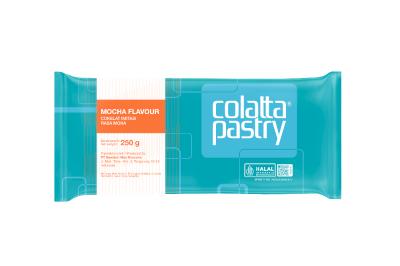
Baru, Colatta Pastry dengan Rasa Mocha!
Cokelat batang atau dikenal dengan istilah cokelat blok umum ditemui dalam rasa dark, milk, white ataupun berbagai rasa seperti strawberry, green tea hingga tiramisu. Tapi ada rasa baru yang belum pernah ada yaitu mocha! Seperti apa kegunaan cokelat Colatta Pastry Mocha dan bisa dikreasikan sebagai apa saja?
Read More
Eksistensi Colatta di Seoul Food & Hotel 2022
Pelaku Usaha Kecil dan Menengah (UKM) dan produsen makanan serta minuman dari berbagai negara salah satunya Colatta, sukses tampil di pameran Seoul Food and Hotel 2022 di Korea International Exhibition Center (Kintex) Seoul, Korea Selatan.
Read More
Kreasi Cake in Jar
Cake in jar memang bukan tren baru dalam dunia kuliner. Berawal dari pilihan wadah unik untuk mengemas kue dan kepraktisan dalam menikmatinya, muncullah ide cake in jar. Kini, berbagai jenis cake bisa dikreasikan dalam kemasan ini loh!
Read More
Legitnya Donat Asal Yunani
Pada 776 SM silam, pertandingan Olimpiade pertama digelar. Pada masa Yunani Kuno itu, juara Olimpiade akan mendapat suguhan menu istimewa berupa kue goreng mungil. Dalam upacara penutupan, ada tradisi menyuapkan kue ini untuk para pemenang. Kue goreng dianggap sebagai kado awal untuk mereka sebelum menerima hadiah lainnya. Belakangan kue kemenangan ini dikenal dengan nama loukoumades.
Read More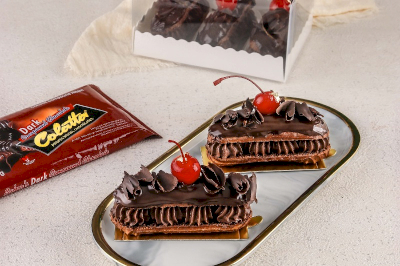
Kreasi Eclair Dengan Colatta Chocolate
Éclair termasuk pastry Prancis yang tak pernah kehilangan popularitas. Bahkan kini éclair klasik bertransformasi jadi tampil lebih cantik dan menarik. Dalam bahasa Prancis, ‘éclair’ berarti ‘kilat’. Éclair juga merupakan ungkapan dengan arti ‘secepat kilat’.
Read More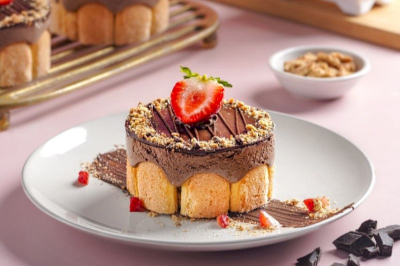
Keistimewaan Colatta Couverture di Ragam Aplikasi
Colatta Couverture sering digunakan untuk berbagai campuran olahan cokelat dan aplikasi cetak, alasannya karena Colatta memiliki cita rasa khas cokelat yang lezat dengan intensitas rasa cokelat yang kuat, siapa saja yang menikmatinya pasti suka. Seperti apa kegunaan cokelat Colatta dan bisa dikreasikan untuk apa saja ya?
Read More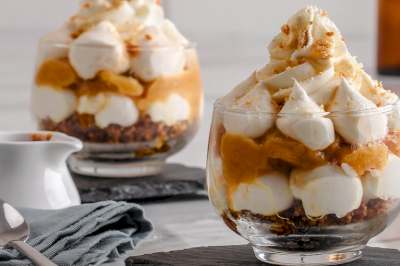
Colatta Creation Class (C3)
Baking Demo & Inspirasi Bisnis Pastry Serunya event Colatta Creation Class (C3) bersama para penggiat usaha, hobbies dan pecinta segala sesuatu yang berhubungan dengan kue dan dessert. Di C3 ini para peserta bisa memperoleh banyak hal selain dari baking demo tentunya. Salah satunya ide serta inspirasi usaha di bisnis pastry dan bakery.
Read More
Kreasi Unik, Entremet Bubur Sumsum Candil
Siapa yang tidak kenal dengan bubur sumsum plus candil? Makanan manis tradisional ini sudah sering kita santap sejak kecil bahkan sudah menjadi makanan favorit hingga sekarang. Rasanya yang manis legit cocok untuk semua umur dan kalangan. Biar tidak ketinggalan dengan dessert ala barat, yuk kita kreasikan menjadi resep istimewa ala hotel bintang 5.
Read More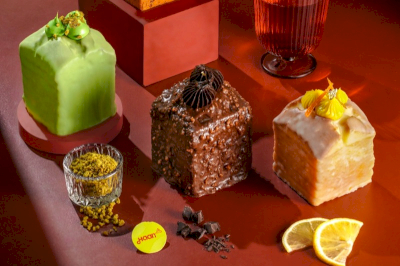
Keunggulan Colatta Glaze di Ragam Kreasi
Tahukah kamu kalau beragam kreasi kue, dessert hingga minuman bisa tampil semakin cantik dengan Colatta Glaze?Selain tampilannya yang eye catchy juga trendy apalagi dibuat dessert dengan beragam rasa. Bisa dibuat apa aja ya enaknya?
Read More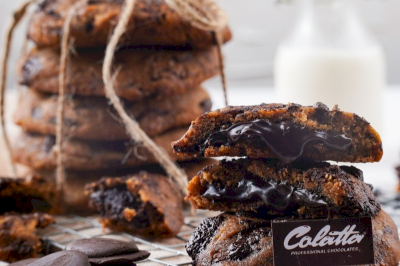
Ooey Gooey Cookies, Mudah Dibuat dan Leleh di Mulut!
Salah satu jenis kue yang pastinya selalu disukai semua orang adalah cookies! Kue yang biasanya memiliki tekstur yang crunchy dan rasa manis ini sudah ada sejak dahulu dan terus berkembang dari waktu ke waktu. Belakangan ini tren cookies yang sedang digemari adalah Choco Lava Cookies.
Read More
Haan Wippy Cream: Praktis, Ekonomis, Pas Manisnya
Membuat sajian dessert ternyata tidak sesulit yang dibayangkan. Unsur yang terpenting adalah menciptakan tekstur krim yang lembut berpadu dengan moist cake dan manisnya cokelat. Salah satu premiks instan penghasil whipped cream adalah Haan Whippy Cream yang bertekstur halus dengan rasa yang pas manisnya karena sudah mengandung gula dalam komposisi bahannya.
Read More
Mengangkat Kearifan Lokal dalam Kuliner
Masyarakat Indonesia umumnya memiliki tradisi membeli oleh-oleh setiap kali berpergian maupun berwisata. Terlebih lagi, apa yang menjadi ciri khas atau kearifan pangan lokal di suatu daerah yang terkenal pasti diburu wisatawan. Sebab itulah potensi kuliner oleh-oleh sangat tinggi. Dengan dominasi makanan kecil, mudah dibawa, dan tahan lama dengan harga terjangkau.
Read More
Tren Bubble Bread, Lembut Tanpa Diulen
Bagi para penikmat roti yang juga gemar baking tentu akan sangat merasa bangga dan puas jika mampu menghasilkan roti yang sukses. Tidak hanya sukses dari rasa, namun juga tingkat keempukan roti, awet lembutnya, dan serat roti yang panjang saat disobek. Tidak perlu khawatir gagal membuat roti karena proses mengulen yang salah karena saat ini banyak resep roti lembut tanpa diulen, salah satunya Bubble Bread!
Read More
Serupa Tapi Tak Sama: Chiffon Cake, Sponge Cake, dan Butter Cake
Sekilas, ketiga tampilan cake ini memang terlihat sama namun ternyata berbeda loh! Basic kue dibedakan menjadi beberapa jenis seperti butter cake, sponge cake, dan chiffon cake. Ketiga jenis kue inilah yang paling populer dan banyak dijumpai di berbagai toko roti seluruh dunia.
Read More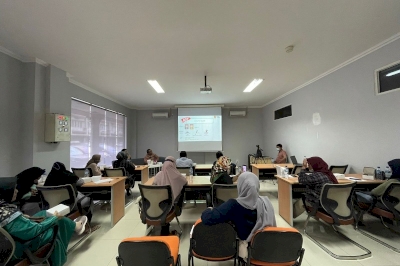
Peluang Tambah Cuan dari Toko Online
Istilah marketplace digunakan untuk menyebut tempat dimana penjual menawarkan produknya secara daring. Di era yang semakin modern ini, banyak sekali peluang usaha marketplace yang memiliki peluang besar jika ditekuni.
Read More
Ide Takjil Ramadhan, Kombinasi Putu Mayang dan Pudding
Kue Putu Mayang merupakan satu dari sekian banyak nama kue basah yang terkenal di nusantara. Kue ini telah lama ada di berbagai daerah di indonesia. Putu mayang adalah kue tradisional khas Betawi yang terbuat dari tepung tapioka dan tepung beras. Bentuknya terbilang unik, mirip seperti mie.
Read More
Kreasi Cantik dengan Crumble Siap Pakai
Lembutnya cake dan dessert berpadu dengan renyahnya crumble terasa sangat pas dikombinasikan. Berbagai kreasi kue yang memadukan kombinasi lembutnya cake dan renyahnya topping crumble di atasnya ini memang sedang naik daun. Ada cukup banyak variasi kue dengan remahan biskuit renyah ini dengan ciri khasnya masing-masing.
Read More
Banyaknya Elemen dalam Entremet Cake
Entremet cake merupakan salah satu dessert yang sering dijumpai di beberapa cake shop besar. Keistimewaan dari dessert ini terdapat banyak sekali elemen di dalamnya dengan ciri khas lapisan glaze yang mengkilap.
Read More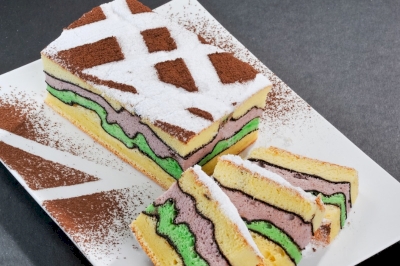
Topo Map Cake, Tren Bolu Ala Lapisan Tanah
Sekilas melihat bolu yang satu ini seperti mempelajari lapisan tanah yang berlapis-lapis. Jenis cake yang termasuk butter cake ini cukup mudah dibuat, hanya saja memerlukan teknik pelapisan agar kontur “tanah” terlihat jelas. Penggunaan Bendico Cocoa Powder yang memiliki warna cokelat pekat membuat lapisan lebih tegas.
Read More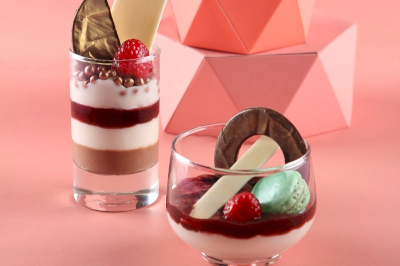
Whipped Cream, Andalan Dessert Festive Anti Gagal
Menjelang Hari Raya Natal dan Tahun Baru, bermunculan inovasi makanan dan minuman kekinian yang tampil menggoda dan menarik. Tidak hanya menggugah dari segi rasa, berbagai jenis cake terutama dessert tentu perlu memikat secara tampilannya. Salah satunya adalah dengan penggunaan whipped cream.
Read More
Topping Donat Ter-favorit!
Siapa yang tidak suka donat? Mulai dari anak-anak, remaja, dewasa, hingga orang tua pasti suka dengan makanan berbentuk bulat ini. Bahkan makanan kecil ini bisa jadi pemersatu keluarga. Kira-kira topping donat favorit-mu yang mana nih?
Read More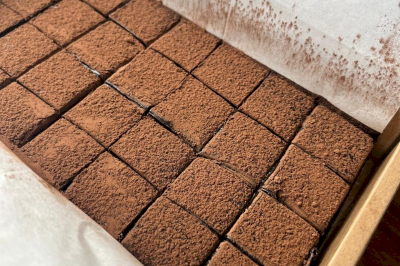
Japanase Style Soft Chocolate
Cokelat asal Jepang atau Nama Chocolate memiliki tekstur lumer meleleh di mulut dan rasa manis yang bikin ketagihan. Tak heran, Nama Chocolate selalu masuk bucket list camilan para cokelat lovers.
Read More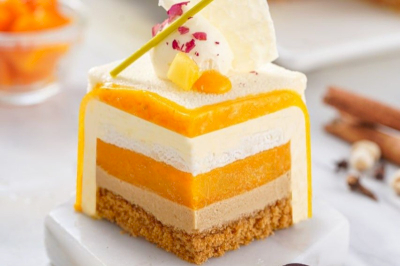
Ragam Elemen Dalam Entremet Cake
Entremet cake merupakan salah satu dessert yang sering dijumpai di beberapa cake shop besar. Keistimewaan dari dessert ini terdapat banyak sekali elemen di dalamnya dengan ciri khas lapisan glaze yang mengkilap.
Read More
Angel Food Cake -Tetap Enak Meski Rendah Lemak
Lagi diet dan mengurangi konsumsi lemak tapi ngidam makan cake? Coba bikin Angel Food Cake aja. Percaya atau tidak, kue ini tidak menggunakan mentega, minyak, maupun kuning telur!
Read More
Sensasi Cokelat Rasa Cabai
Pernahkah kamu mencicipi cokelat cabai? Meski terdengar sedikit aneh, tapi nyatanya perpaduan pedas cabai dan cokelat yang manis serta sedikit pahit membuatnya semakin nikmat. Jangan lupa kombinasikan sensasi pedas cabai dengan cokelat Colatta, padanan rasa yang unik!
Read More
Cannoli, Dessert Favorit dari Italia
Berbicara tentang kuliner khas Italia, ada satu pastry yang bernama cannoli, pastry klasik yang asalnya dari kota Sisilia yang mulai banyak dijumpai dan popular di Indonesia terutama di bakery ternama di Ibu Kota. Cannoli dikenal dengan bentuknya yang unik yakni berbentuk seperti pipa dengan kedua bagian ujungnya yang diisi dengan krim sehingga terlihat dari luar. Bentuknya yang seperti pipa tabung inilah yang membuat kuliner ini dinamakan dengan nama cannoli yang artinya adalah tabung kecil.
Read More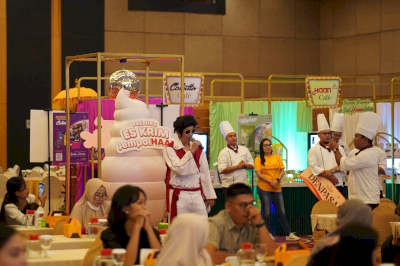
Keseruan ChocoTrenz 2024 di Bali
Berlangsung di hotel Aston Denpasar, 10 Agustus 2024, ChocoTrenz hadir kembali Chocotrenz mengangkat kreasi spesial yang berbeda setiap tahunnya untuk memberikan inspirasi trend cokelat dan pastry di Indonesia. Kali ini, Gandum Mas Kencana atau GMK selaku produsen dari produk Colatta, Haan, Bendico dan La Kreiva mengusung tema “NOWstalgia, a delicacy from past to present.”
Read More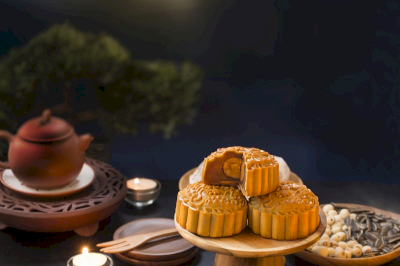
Meriahkan Imlek dengan Camilan Manis
Aneka ragam dessert dan kue disajikan saat perayaan tahun baru Imlek. Camilan yang dihidangkan pun biasanya manis karena dalam budaya Tionghoa, camilan manis merupakan lambang kehidupan yang manis. Tak sedikit pula yang percaya bahwa dessert tertentu merupakan simbol keberuntungan dan rezeki yang lancar.
Read More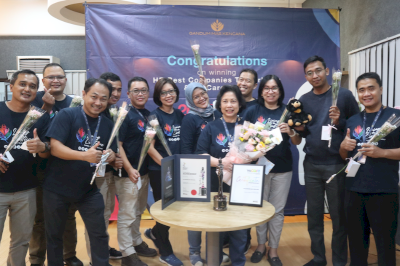
CONGRATULATIONS! GMK Raih HR Asia Best Company to Work For
Pencapaian GMK di ajang HR Asia Awards Satu lagi prestasi berhasil ditorehkan oleh Gandum Mas Kencana. Di ajang HR Asia Awards yang berskala internasional ini, GMK berhasil membawa pulang dua penghargaan, yaitu *HR Asia Best Company to Work For in Asia dan HR Asia We Care Awards 2022.
Read More
Olibollen, Kreasi Donat Praktis
Camilan asal Belanda ini biasa disebut juga dengan roti goreng dan masuk kategori donat karena terbuat dari ragi dan tepung terigu. Donat adalah camilan populer masyarakat Indonesia dengan begitu banyak variasi topping yang sangat menarik. Donat disukai segala usia, anak-anak dan dewasa bahkan orang tua. Pelaku bisnisnya pun dari berbagai kelas, mulai dijajakan di warung biasa dengan topping hanya gula halus atau bahkan tanpa gula, outlet dan cafe di mal, hingga warung kopi kekinian.
Read More
Jahe & Cokelat, Duo Superfood Menyehatkan
Jahe dikenal sebagai antibiotik alami, begitu pula cokelat asli. Minum secangkir wedang jahe tidak hanya nyaman untuk tubuh, tetapi juga memberi banyak manfaat kesehatan. Jika perut dirasa tidak nyaman, mengonsumsi wedang jahe dapat membantu menghangatkan perut. Kombinasi cokelat dan jahe tentu jadi alternatif minuman yang baik untuk kesehatan.
Read More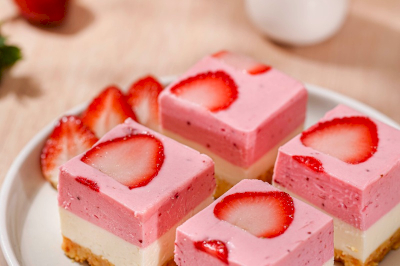
Hampers yang Selalu Dicari Saat Hari Raya
Selamat datang bulan suci Ramadhan dan Idul Fitri. Bulan yang penuh berkah ini menjadi momentum untuk meningkatkan ketakwaan dan juga meraih berkah sebanyak-banyaknya. Biasanya ide usaha bulan Ramadan juga banyak dicari orang untuk menambah pemasukan dan meningkatkan omzet, mulai dari aneka menu Ramadhan hingga Idul Fitri. Kreasi unik apa saja yang dapat menarik minat calon pelanggan?
Read More
Angin Segar Bisnis Hampers
Industri hampers masih hidup selama pandemi ini. Pasalnya, selama pandemi pembelian hampers justru mengalami kenaikan.Hal ini seiring dengan banyaknya pembatasan, sehingga banyak orang yang mengirimkan hampers sebagai pengganti silaturahmi.
Read More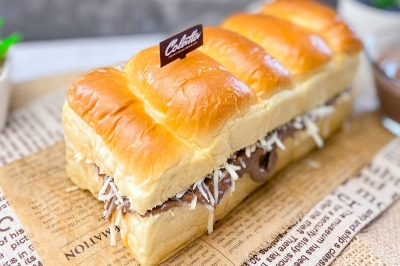
Roti Jadul yang Everlasting
Roti jadul tak pernah kehilangan penggemar meski tren roti baru terus bermunculan. Terbukti roti jadul Indonesia kian populer dan digandrungi masyarakat. Salah satu alasannya adalah roti jadul dapat menjangkau pasar yang lebih luas. Kue jadul itu everlasting, seberapa pun tren makanan yang akan muncul di Indonesia, tetap ujung-ujungnya akan kembali ke kue jadul. Kebanyakan tren makanan tidak bertahan lama jika hanya mementingkan visualnya dan kurang memperhatikan rasa.
Read More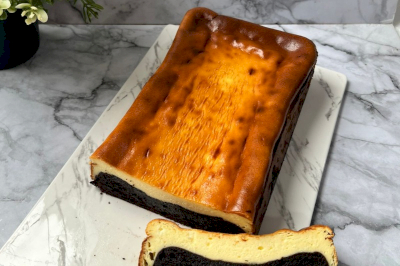
Tren Burnt Cheese Cake
Cheese cake merupakan jenis kue yang populer. Belakangan sedang menjadi tren di Indonesia dengan beragam kreasi burnt basque cheesecake hingga brownies burnt cheesecake.
Read More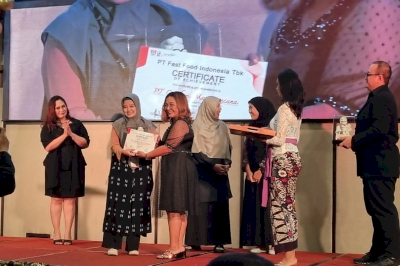
Selamat! GMK Raih Penghargaan Audit Bergengsi di Indonesia
KFC di bawah naungan PT Fast Food Indonesia adalah salah satu restoran cepat saji ternama di dunia yang dalam proses pemilihan, pengolahan hingga penyajian menunya memiliki proses QC (quality control) yang ketat. Dari sinilah KFC memulai rangkaian audit dan memberikan penghargaan atas komitmen para supplier dalam memberikan bahan baku berkualitas, yang mana Gandum Mas Kencana berhasil terpilih di antara supplier terbaik lainnya di Indonesia.
Read More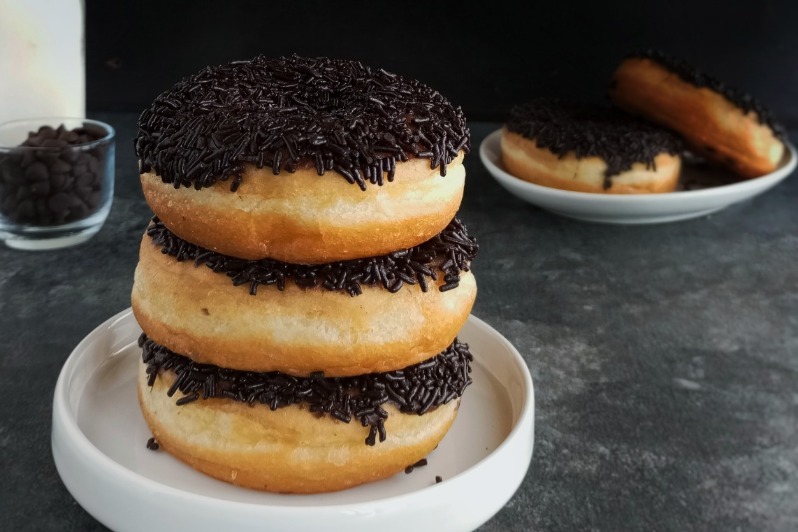
Managing a Donut Business
Donuts are classified as bread because they use yeast and go through a rising process. Donuts can be made at home, in small businesses, or even in cafes and specialty donut shops. Before starting a donut business, there are several donut creation trends that can serve as inspiration for your business.
Read More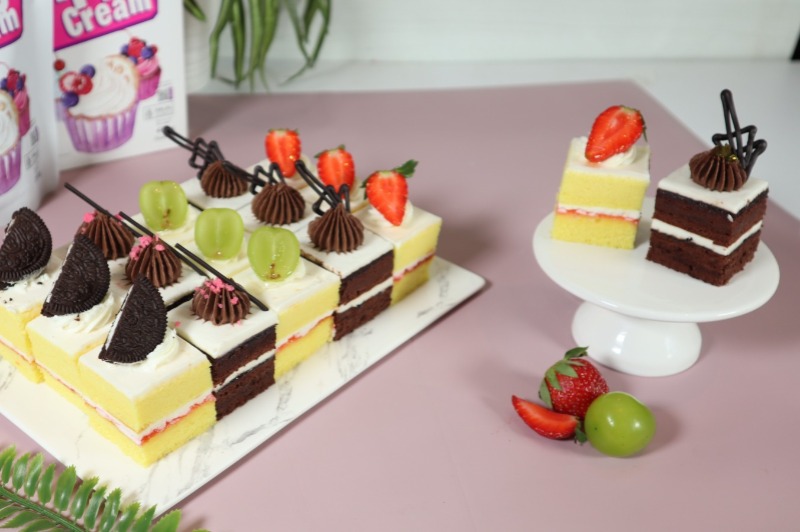
Thai Cake, Tradition in Thai-Style Desserts
Thai cake refers to cakes in the Thai style that developed from a blend of traditional Thai desserts and Western pastry influences, particularly from Europe. Unlike classic Western cakes, Thai cakes are known for their light flavor, less sweetness, and distinctive tropical aroma.
Read More
Kreasi Korean Creme Puff
Kue kekinian dari Korea telah banyak yang mendunia dan menjadi populer termasuk di Indonesia. Cita rasanya pun bisa dibilang cocok dengan lidah kita. Tak heran, kreasi kuliner dari Negeri Gingseng ini menjadi favorit para pecinta dessert.
Read More
Polo Bun yang Kembali Tren
Belakangan ini dunia bakery sedang dilanda bolo bun. Meski kehadirannya sudah lama, roti dengan rasa khas butter yang wangi menyerbak ini kembali menjadi incaran penikmat roti. Bolo bun adalah jenis roti berbentuk unik yang selama ini popular di negara Hongkong dan Singapura. Rasanya yang gurih dengan tekstur yang unik membuat roti ini cepat menjadi favorit di Indonesia.
Read More
Tren Inner Rainbow Pudding
Makanan penutup yang rasanya manis dan bertekstur lembut ini memang paling cocok disajikan untuk keluarga. Dengan bahan dasar yang cukup sederhana, puding bisa dikreasikan dalam berbagai rasa hingga bentuk. Dari rasa cokelat dan buah-buahan yang sederhana hingga variasi lainnya yang lebih cantik.
Read More
Perbedaan Butter Cake, Sponge Cake & Chiffon Cake
Sekilas, ketiga tampilan cake ini memang terlihat sama namun ternyata berbeda loh! Basic kue dibedakan menjadi beberapa jenis seperti butter cake, sponge cake, dan chiffon cake. Ketiga jenis kue inilah yang paling populer dan banyak dijumpai di berbagai toko roti seluruh dunia.
Read More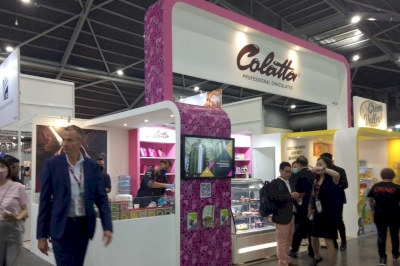
Partisipasi Colatta di Ajang Pameran FHA 2022
Food and Hotel Asia (FHA) pameran makanan dan minuman untuk skala food industry terbesar di Singapura, kembali diadakan secara offline untuk pertama kalinya sejak pandemi melanda. Berlangsung selama empat hari pada tanggal 5-8 September 2022 di Singapore EXPO ini berhasil mengikutsertakan 2.000 peserta pameran dan 50 paviliun grup internasional, salah satunya dari PT Gandum Mas Kencana selalu produsen cokelat Colatta, Haan, dan Bendico.
Read More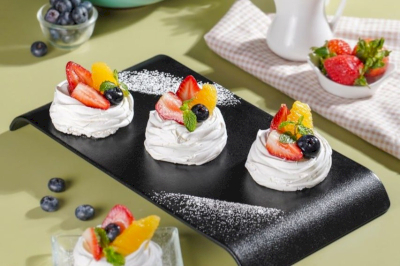
Kombinasi Pavlova dan Buah-buahan
Rasa pavlova manis dan segar, biasanya disajikan sebagai hidangan penutup saat musim panas dan perayaan hari spesial. Nama pavlova diambil dari nama seorang bintang balerina asal Rusia bernama Anna Pavlova yang pada 1920-an sukses melakukan tur ke dua negara.
Read More
Putri Salju, Kuker Andalan Jelang Ramadhan
Berbisnis kue kering pada saat menjelang bulan Ramadan dan Lebaran pastinya menjadi andalan para pelaku UMKM ataupun pemilik bakery. Salah satu kue yang tidak pernah absen ada di rumah pada saat Lebaran tiba adalah kue putri salju.
Read More
Keunggulan Haan Wippy Cream
Berkreasi dengan dessert dan kue manis lainnya bisa dengan whipped cream. Pastikan selalu menggunakan bahan berkualitas ya. Salah satu premiks instan penghasil whipped cream adalah Haan Wippy Cream yang bertekstur halus dengan rasa yang pas manisnya karena sudah mengandung gula dalam komposisi bahannya.
Read More
Donut Klasik Berpadu Umbi-umbian
Kue donat yang dikenal juga dengan istilah doughnuts atau donut adalah sejenis roti goreng yang dibuat dari adonan tepung terigu, gula, telur dan mentega. Donat yang paling umum adalah donat berbentuk cincin dengan lubang di tengah dan donat berbentuk bundar dengan isian manis seperti cokelat selai, jelly, krim, dan custard. Ada juga donat yang terbuat dari umbi-umbian salah satunya ubi dan kentang. Bagaimana rasanya ya?
Read More
Pilihan Cokelat Sesuai Kebutuhan
Cokelat merupakan salah satu bahan makanan berasal dari biji kakao. Cokelat memiliki berbagai varian rasa dan bentuk, dan menjadi makanan paling digemari oleh berbagai kalangan, mulai dari orang tua sampai anak kecil.
Read More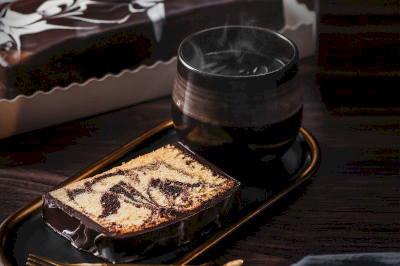
Travel Cake si Kue 'Tahan Banting'
Sesuai dengan namanya Travel cake, jenis kue cake “tahan banting” ini memiliki ketahanan lebih baik ketimbang jenis-jenis cake pada umumnya. Cke ini terutama pada saat kita bepergian, sesuai dengan nama depan nya " ravel". Jenis cake ini sangat nyaman untuk dibawa bepergian karena jenis travel cake umumnya dapat bertahan selama kurang lebih dua minggu, selain ketahanan nya travel cake juga lebih kokoh, mudah dibawa tentunya.
Read More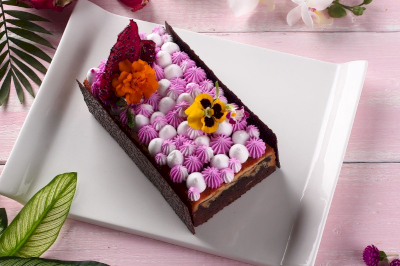
Dekorasi Lebih Mudah Dengan Haan Wippy Cream
Membuat sajian dessert ternyata tidak sesulit yang dibayangkan. Unsur yang terpenting adalah menciptakan tekstur krim yang lembut berpadu dengan moist cake dan manisnya cokelat. Salah satu premiks instan penghasil whipped cream adalah Haan Whippy Cream yang bertekstur halus dengan rasa yang pas manisnya karena sudah mengandung gula dalam komposisi bahannya.
Read More
Marble Cake, Kombinasi Motif Marmer pada Cake
Kue marmer (marble cake) adalah kue dengan tampilan belang-belang. Dari campuran adonan putih dan adonan yang gelap. Biasanya berupa campuran vanilla dan kue cokelat.
Read More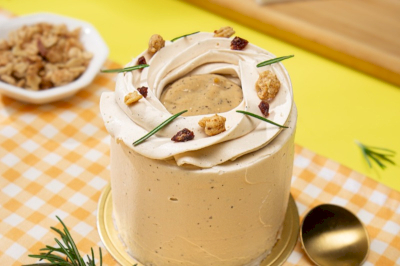
Manfaat Baik Earl Grey Tea
Tren teh dengan varian Earl Grey saat ini masih cukup populer, terutama di kalangan pecinta teh. Earl Grey adalah teh hitam yang dicampur dengan minyak bergamot, memberikan rasa khas yang citrus. Tren ini tidak hanya seputar menikmati Earl Grey sebagai minuman panas, tetapi juga sebagai bahan dalam berbagai kreasi minuman lain seperti Earl Grey latte, milk tea, dan bahkan campuran pada cake.
Read More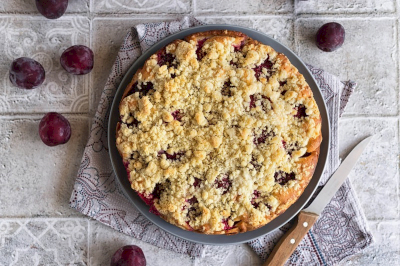
Sensasi Crumble dalam Sajian Dessert
Menghidangkan suatu sajian bersama crumble bisa membuat sensasi renyah ketika disantap. Fungsi remahan tersebut pun tidak melulu sebagai penghias, namun bisa menyempurnakan tekstur sebuah hidangan.
Read More
Beragam Kreasi dengan Cokelat Colatta
Seperti apa kegunaan cokelat dan bisa dikreasikan sebagai apa saja?
Read More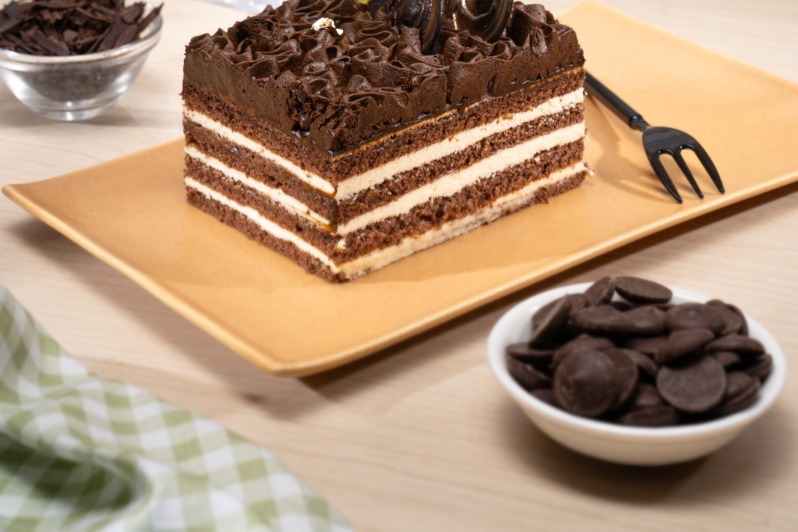
Colatta Couverture The Bakers' Mainstay
Colatta Couverture is often used in various chocolate-based preparations and molding applications. Colatta has a distinctive, delicious chocolate flavor with a strong, intense chocolate flavor that anyone who enjoys it will surely love. What are the uses of Colatta chocolate, and what can it be used for?
Read More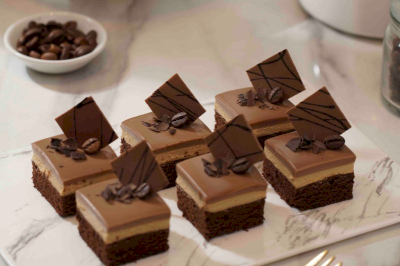
Sensasi Lapisan Rasa Cake Ala Opera
Siapa yang tidak mengenal opera cake. Kue tart yang berasal dari Prancis ini memiliki berbagai lapisan yang terdiri dari almond sponge cake atau biasa disebut jaconde dalam bahasa Prancis yang ditambahkan dengan sirup kopi agar kuenya menjadi sangat moist, coffee butter cream, chocolate ganache dan di atasnya ditutup dengan cokelat glaze.
Read More
Roadshow Chocotrenz "Happy Healthy Trendy"
Belakangan ini gaya hidup sehat telah menjadi pilihan pola hidup yang banyak diminati oleh masyarakat. Namun di sisi lain, ada banyak pertimbangan yang membuat orang ragu untuk memulainya. Makanan sehat masih bisa enak, enjoyable dan bikin happy engga ya?
Read More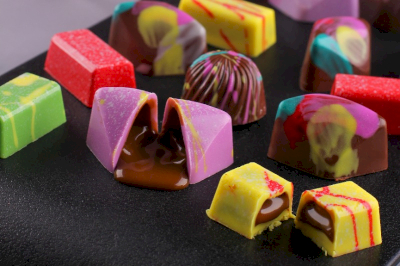
Beragam Manfaat Cokelat untuk Kesehatan
Selain enak dan menggoda lidah, ada beberapa manfaat cokelat untuk kesehatan lho. Apa aja ya?
Read More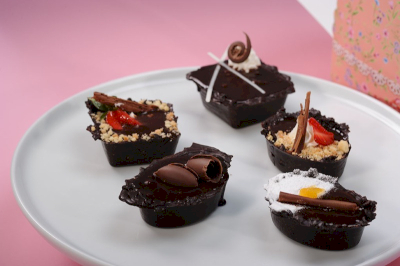
Mengkombinasikan Rasa Cokelat Dengan Beragam Elemen
Memiliki cita rasa yang manis dan lembut, cokelat menjadi salah satu jenis makanan yang digemari oleh banyak orang. Cara menikmatinya pun sangat beragam; bisa dinikmati secara langsung, diolah menjadi minuman, ataupun dimasak hingga menjadi dessert yang menggugah selera.
Read More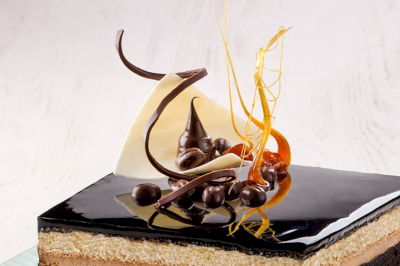
Berkreasi Lebih Mudah Dengan Colatta Choco Art
Mewarnai cokelat dapat menciptakan tampilan yang lebih artistik dan menarik secara visual. Menggunakan jenis pewarna yang tidak tepat beresiko membuat cokelat rusak dan tidak estetik. Bagaimana sih cara tepat menambahkan warna pada cokelat?
Read More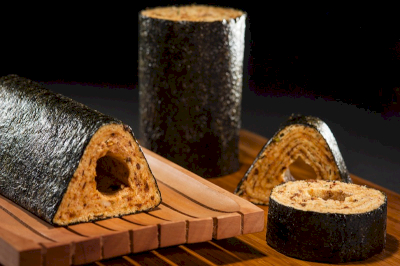
Sushi Roll Cake, Berawal dari Tren di Jepang
Roll Cake adalah salah satu kudapan manis yang umumnya menggunakan isian cokelat, selai buah dan butter cream. Sebagai penyuka makanan manis tentu sudah sering melihat roll cake atau dikenal juga dengan istilah bolu gulung.
Read More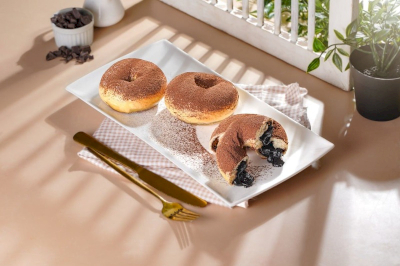
Manfaat Baik Cokelat di Tubuh Kita
Selain enak dan menggoda lidah, ada beberapa manfaat cokelat untuk kesehatan lho. Apa aja ya?
Read More
Kombinasi Superfood dengan Cokelat
Makanan berbasis cokelat tidaklah selalu manis atau overly sweet yang sampai membuat sakit gigi. Paduan cokelat dengan buah-buahan yang asam misalnya, dapat menghadirkan rasa pekat cokelat dan asam dari buah tersebut. Pilihlah buah yang memiliki rasa kontras agar dapat mengimbangi rasa dark chocolate yang tajam. Gunakan buah yang berwarna terang agar paduan cokelat dengan buah terlihat bagus.
Read More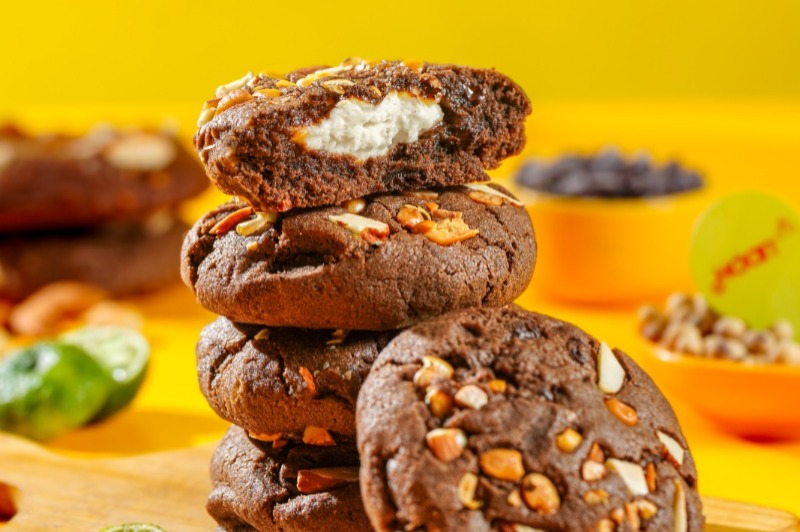
Modifications to the Favorite Butter Cookies
The name "cookies" is derived from the Dutch loanword "koekje," meaning "small cake." In the Netherlands, cookies are made from sweet cookie dough, shaped into small pieces and baked.
Read More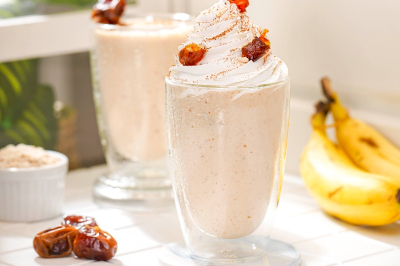
Kombinasi Minuman Cokelat dan Kurma Untuk Sahur
Tidak hanya enak, cokelat juga menjadi makanan penggugah mood alias suasana hati. Makan cokelat bisa membuat pikiran dan hati lebih bahagia. Jika dikonsumsi dengan benar saat sahur dan berbuka, ternyata cokelat memiliki banyak manfaat bagi tubuh, apalagi jika dikombinasikan dengan buah kurma dan pisang.
Read More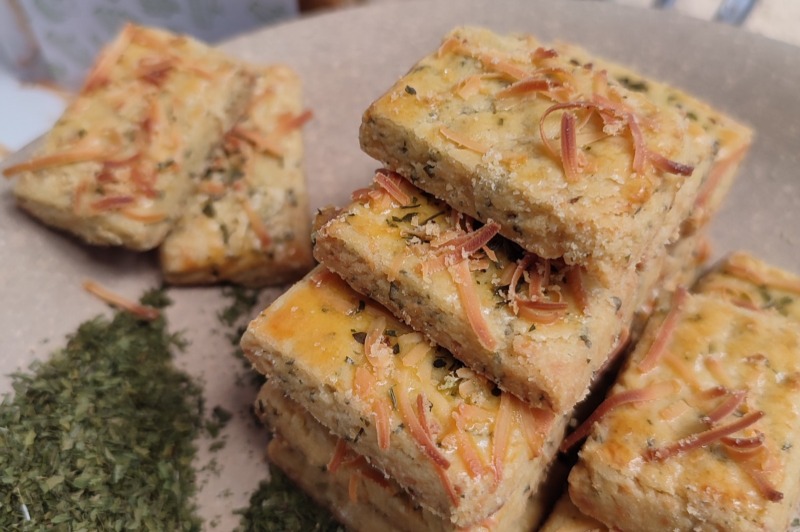
Savoury Cookie Trends
In Indonesia, the market was initially dominated by sweet cookies such as nastar, choco chip cookies, cat tongue cookies, etc. However, savoury cookies are now becoming increasingly popular. Kastengel is one of the most well-known examples, and new innovations are emerging, such as savoury cat tongue cookies, premium cheese cookies, as well as spicy and fusion flavors.
Read More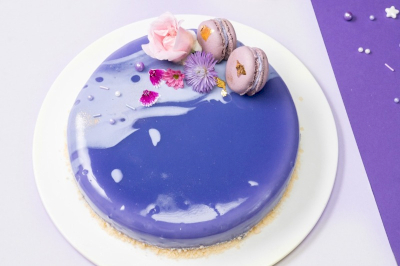
Colatta Glaze Ubee, Topping Favorit Baru!
Tahukah kamu kalau ubi ungu ternyata bisa jadi dessert cantik dan lembut? Ubi ungu semakin populer dan dikenal sebagai superfood baru. Selain bernutrisi dan legit, warna ungunya yang eye catchy juga trendy apalagi dibuat dessert dengan beragam rasa, salah satunya menggunakan Colatta Glaze Ubee.
Read More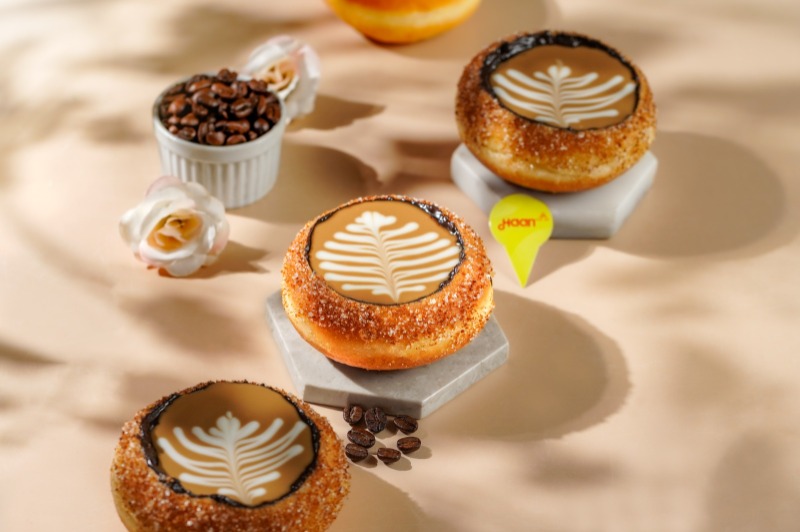
Out of The Box Donut Creations
Who doesn't love donuts? This popular treat has become a favorite in many countries. They come in a variety of shapes, from simple donuts sprinkled with powdered sugar to donuts with unique toppings, shapes, and creations.
Read More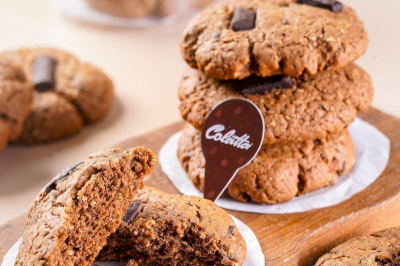
Kepopuleran Kue Favorit Butter Cookes
Nama ‘cookies’ diambil dari kata serapan asal Belanda ‘koekje’ yang artinya kue kecil. Di Belanda, cookies terbuat dari adonan kue manis yang dibuat berukuran kecil lalu dipanggang.
Read More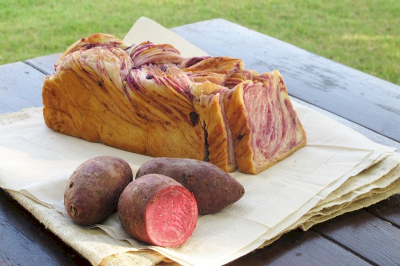
Kreasi Seru Serba Ubi Ungu yang Bikin Rindu
Dikenal dengan cita rasanya yang manis, ubi ungu banyak disukai sebagai kudapan favorit keluarga. Tidak hanya dimakan langsung, bahan makanan yang satu ini juga bisa menjadi berbagai kreasi kudapan dengan citarasa lezat.
Read More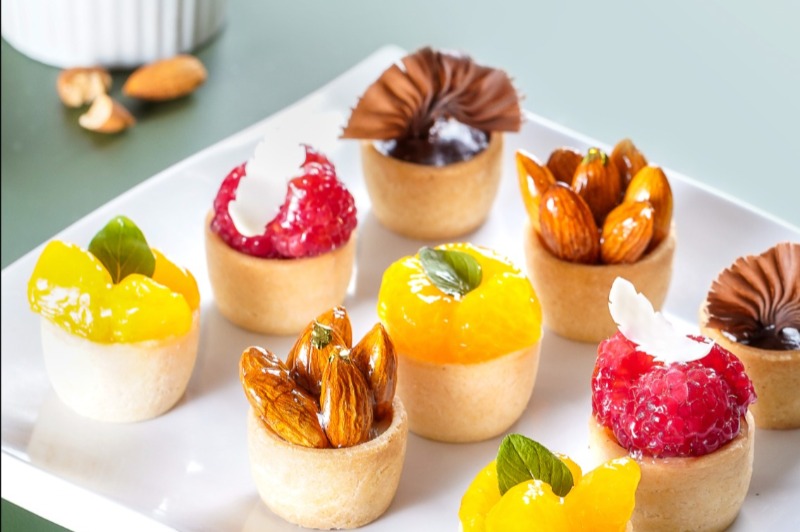
Combining Sweet Desserts with Savory Creations
Do you love bite-sized desserts? While tarts are commonly associated with sweet flavors and come in various sizes, they can also be creatively transformed into delicious savory treats! Anyone can enjoy making crispy tarts with a wide variety of fillings that are sure to brighten up your day.
Read More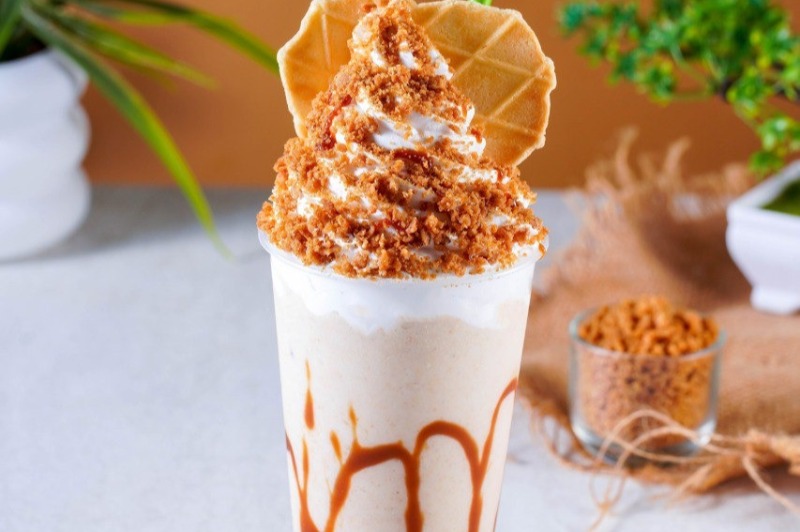
Crumble Creations in Beverages
Incorporating crumble into beverages has become an increasingly popular trend, as it adds a crunchy texture that contrasts beautifully with creamy or chilled drinks. This concept is inspired by desserts such as apple crumble, cheesecake, and parfait, which combine multiple textures in a single serving.
Read More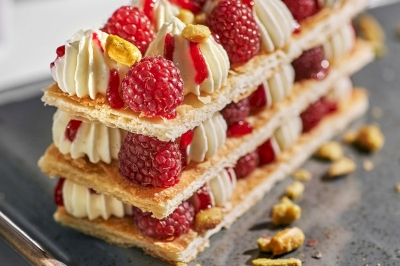
Mille-feuille, Kue Perancis yang Populer Di Indonesia
Mille-feuille adalah kue klasik yang berasal dari Perancis yang sering disebut sebagai “a thousand leaves” karena munculnya beberapa lapisan kue kue yang mengembang, memiliki aroma dan rasa mentega yang kuat.
Read More
Di balik Uniknya Sajian Klapertaart
Siapa yang bisa menolak manis lembutnya klappertaart. Sajian khas asal Manado ini memang terkenal karena rasa manisnya yang bikin nagih. Meskipun lebih dikenal sebagai kuliner Manado, klappertaart punya sejarah panjang kolonial di baliknya.
Read More
Unik, Chiffon Cake Berbentuk Sandwich!
Chiffon cake bukanlah hal yang baru di dunia cake, karena tren cake ini sudah hadir sejak dahulu kala. Namun, pamornya masih saja tinggi dan banyak dicari. Bahkan kini chiffon cake berbentuk seperti sandwich dengan isian cream custard!
Read More
Charlotte Cake, Kreasi No-Bake-Dessert
Charlotte Cake atau Charlotte Russe Cake adalah makanan penutup tanpa panggang atau no-bake yang simple dan mudah dibuat. Rasanya ringan karena tersusun dari biscuit lady fingers, krim kocok, krim custard, dan buah-buahan. Pilihan sempurna untuk pesta ataupun perayaan istimewa!
Read More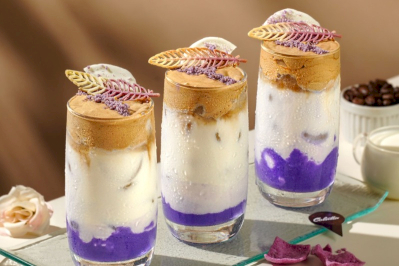
Ube On Top, the taste is seriously addictive!
Purple yam, known for its striking colour and sweet flavour, is perfect for your trendy drink menu!
Read More
Manfaat Secangkir Hot Chocolate Saat Sahur
Jangan lupa lengkapi menu sahur-mu dengan secangkir cokelat hangat. Selain menghangatkan, minuman lezat nan creamy ini ternyata baik untuk kesehatan loh! Padukan dengan marshmallow, gula aren, dan jahe untuk sensasi rasa yang unik.
Read More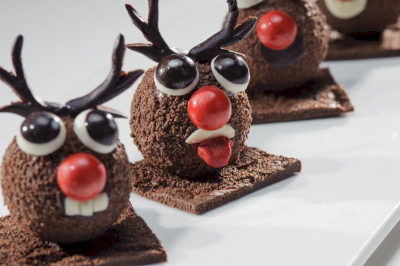
Tema Unik Hampers Natal dan Tahun Baru
Asal usul parcel Di zaman penjajahan, perempuan Indonesia tidak diperbolehkan untuk ikut berperang. Mereka diminta untuk tinggal di rumah karena medan perang begitu berbahaya untuk para perempuan. Kemudian muncullah sebuah ide dari para perempuan untuk tetap ikut berjuang tanpa membahayakan diri mereka, yaitu dengan mengirimkan makanan untuk para pejuang di medan perang.
Read More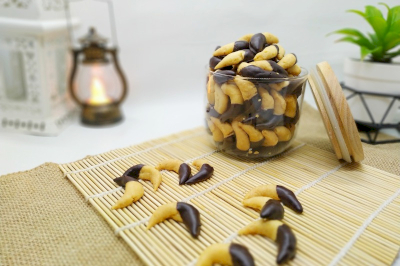
Si Klasik Kue Bulan Sabit
Selain nastar dan kastengel, ada pula kue cantik yang bakal menyambut tamu saat momen Ramadhan dan Hari Raya Idhul Fitri bernama kue bulan sabit atau lebih dikenal putri salju.
Read More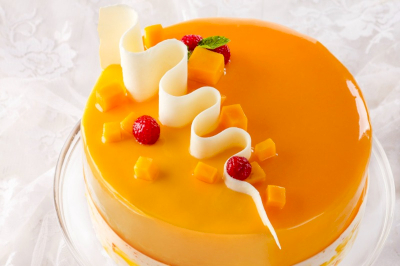
Beragam Elemen pada Entremet Cake
Entremet cake merupakan salah satu dessert yang sering dijumpai di beberapa cake shop besar. Keistimewaan dari dessert ini terdapat banyak sekali elemen di dalamnya dengan ciri khas lapisan glaze yang mengkilap
Read More
Geliat Pelaku Bisnis UMKM Jelang Ramadhan
Kondisi pandemi Covid-19 saat ini perlahan mulai mereda, seiring dengan program vaksinasi yang terus digalakkan pemerintah hingga herd immunity terbentuk. Iklim positif inilah yang mendorong kembali geliat bisnis kuliner, termasuk kue Lebaran dan cokelat menjelang bulan suci Ramadhan.
Read More
Keistimewaan Butter Cake, Chiffon Cake, dan Sponge Cake
Sekilas, ketiga tampilan cake ini memang terlihat sama namun ternyata berbeda loh! Basic kue dibedakan menjadi beberapa jenis seperti butter cake, sponge cake, dan chiffon cake. Ketiga jenis kue inilah yang paling populer dan banyak dijumpai di berbagai toko roti seluruh dunia.
Read More
Kreasi Unik Cake Kombinasi Pudding
Bosan makan cake yang itu-itu saja? Atau ingin makan pudding tapi mau cake juga? Berkreasi dengan membuat cake kombinasi nan unik yuk!. Cake kombinasi adalah cake yang dikombinasikan dengan jenis makanan yang berbeda. Contohnya adalah puding, ice cream dan pie. Meskipun karakternya berbeda, tetapi jenis makanan ini sangat cocok disandingkan di dalam satu kue.
Read More
Bagel, The Chewy Bread with a Hole in the Middle
The hole in the middle of a bagel is not just for its unique appearance—it also has several practical reasons related to its history and baking technique.
Read More
Ide Kreasi Menu Hampers Ramadhan
Selamat datang bulan suci Ramadhan. Bulan yang penuh berkah ini menjadi momentum untuk meningkatkan ketakwaan dan juga meraih berkah sebanyak-banyaknya. Biasanya ide usaha bulan Ramadan juga banyak dicari orang untuk menambah pemasukan dan meningkatkan omzet, mulai dari aneka menu Ramadhan hingga Idul Fitri. Kreasi unik apa saja yang dapat menarik minat calon pelanggan?
Read More
Cokelat Colatta, Cokelat Andalan Penggiat UMKM
Cokelat compound adalah cokelat yang paling umum digunakan di berbagai kalangan, mulai dari skala rumahan, UMKM, industri pastry & bakery hingga confectionery. Pasalnya, jenis cokelat ini memiliki banyak keunggulan dan sangat mudah digunakan
Read More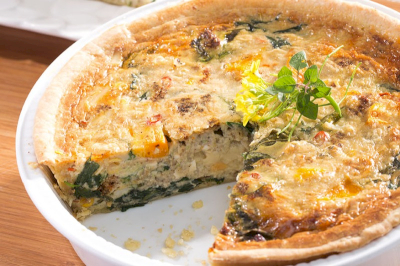
Quiche, Klasik Namun Tetap Digemari
Awal hadirnya quiche Quiche dikenal sebagai hidangan khas Perancis tetapi sebenarnya pie ini berasal dari Jerman. Quiche hadir pada abad pertengahan saat masa kerajaan Lothringen, di bawah pemerintahan Jerman, kemudian diganti namanya menjadi Lorraine oleh Perancis. Quiche lorraine asli adalah pie terbuka dengan isian yang terdiri dari telur dan krim custard dengan bacon asap.
Read More
Soft Cookies, Si Kuker Milenial
Soft-baked cookies ala American Style lagi booming di seluruh dunia. Camilan kue kering cokelat satu ini tengah digemari oleh berbagai kalangan, khususnya para generasi milenial. Tak heran jika banyak orang bereksperimen membuat soft cookies sendiri di rumah.Tak seperti kue kering pada umumnya, soft cookies ini bagian dalamnya begitu lumer dengan isian cokelat yang masih meleleh.
Read More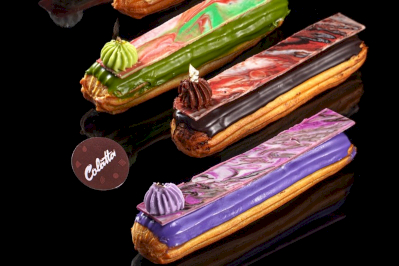
Gempuran Hampers Jelang Akhir Tahun
Meskipun masuk dalam kategori bisnis musiman, namun peluang usaha hampers tidak bisa dianggap remeh. Tertarik untuk memulai bisnis hampers? Berikut tipsnya:
Read More
Brownies Pisang Karamel, Lembut dan Nagih!
Saat ini terdapat cukup banyak menu jajanan hasil dari olahan pisang. Mulai dari bolu pisang, sale pisang, banana roll cake, bolen pisang, kolak pisang, hingga pisang karamel, semuanya adalah jajanan atau kue yang manis dan mudah dibuat. Terlebih lagi, pisang adalah salah satu bahan yang mudah ditemui.
Read More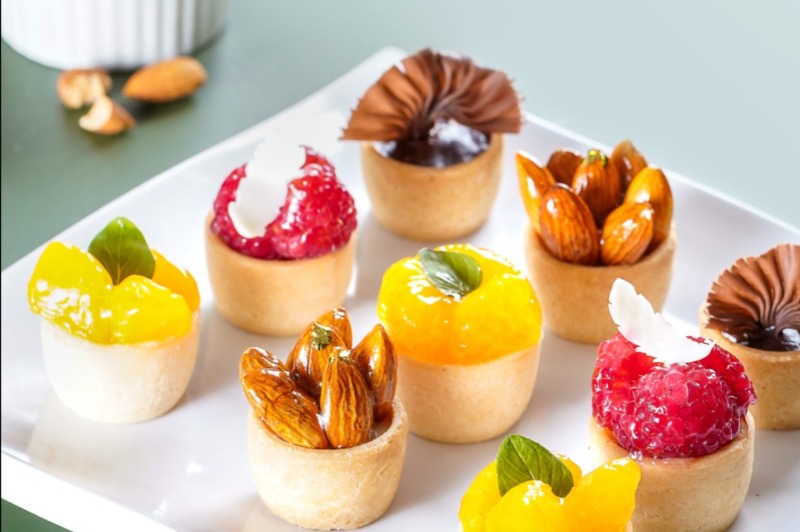
One Bite Dessert Creations
Who doesn’t love tarts? This type of dessert, commonly known for its sweet taste and available in large, medium, and small sizes, can also be creatively made into savory variations! Anyone can try making crispy tarts with a variety of fillings that will surely brighten your day.
Read More
PALM JAVA CAKE - Modifikasi Kue Gula Palem
Indonesia memiliki beragam kuliner enak dan menggugah selera. Tak hanya itu saja, Indonesia juga punya beragam bahan-bahan kue tradisional yang enaknya juara dan cocok dikolaborasikan bersama kue modern.
Read More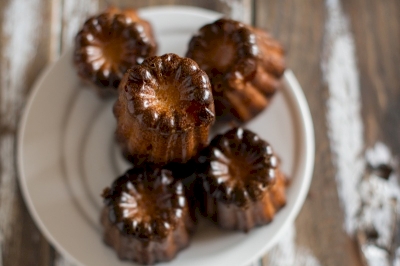
Canele, Pastry Imut Ala Perancis
Kue pastry memiliki beragam jenis dan bentuk. Salah satunya adalah canele. Meski tak sepopuler macaroon, perlahan canele mulai dikenal dan banyak ditemui di toko pastry, karena rasanya yang manis lembut dan tekstur crunchy di bagian luar.
Read More
Kemasan Cokelat Double Safety
Salah satu produk dari Cokelat Colatta yang memiliki fungsi sekali pakai dan memiliki double packaging (inner dan outer) adalah Colatta Compound 250 gram. Fungsi sekali pakai (langsung habis) memberikan kepraktisan, tidak perlu di-repack dan otomatis memberikan jaminan kebersihan produk dan tidak terkontaminasi saat penyimpanan.
Read More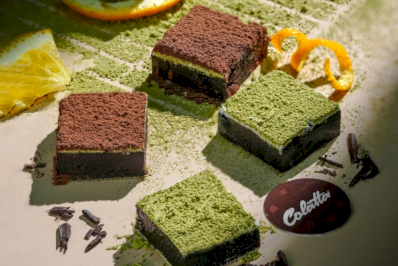
Fleksibilitas Cacao Powder di Kulineri
Dalam dunia kulineri, cacao powder adalah bahan yang sangat fleksibel dalam penggunaannya. Produk cokelat ini bisa digunakan untuk berbagai macam keperluan. Apa saja kegunaannya ya?
Read More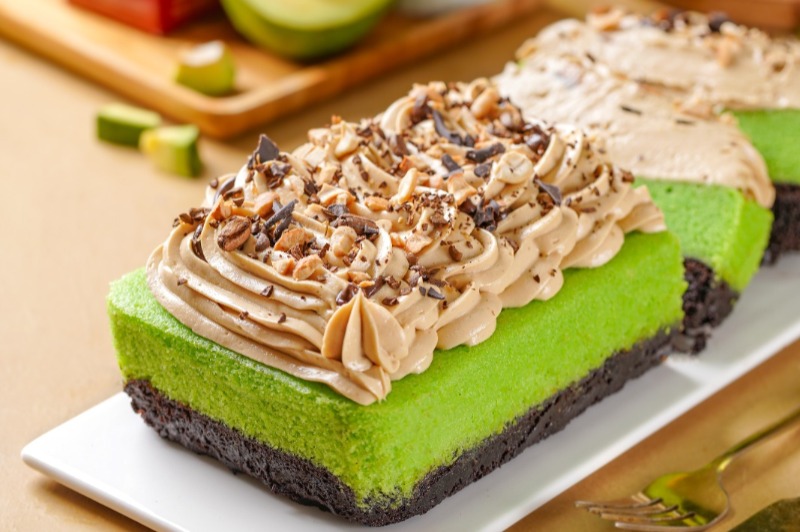
The Combination of Brownies and Pandan Cake
Brownies and pandan cake make an interesting dessert combination because they bring together two very different characteristics that complement each other perfectly.
Read More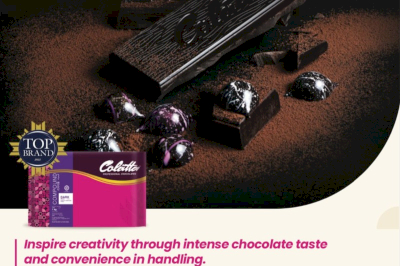
Colatta Compound Series, Cocok untuk Ragam Kreasi Sajian
Memiliki cita rasa yang manis dan lembut, cokelat menjadi salah satu jenis makanan yang digemari oleh banyak orang. Cara menikmatinya pun sangat beragam; bisa dinikmati secara langsung, diolah menjadi minuman, ataupun dimasak hingga menjadi dessert yang menggugah selera.
Read More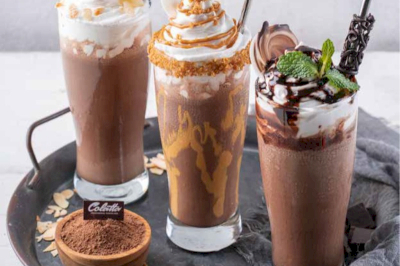
Manfaat Segelas Minuman Chocolate
Jangan lupa lengkapi menu sehatmu dengan segelas minuman cokelat . Selain rasanya yang chocolaty, minuman lezat nan creamy ini ternyata baik untuk kesehatan loh! Padukan dengan marshmallow, gula aren, dan jahe untuk sensasi rasa yang unik.
Read More
Serunya Perayaan National Chocolate Cake Day!
Kebayang engga sih ada hari dimana kita bisa makan beraneka ragam kue cokelat sepuasnya??
Read More
Haan Whiptopp; Whipped Cream yang Cocok di Berbagai Jenis Usaha
Berbentuk powder, Haan WhipTopp memberikan kemudahan dalam penggunaan dan penyimpanan. Memiliki kualitas aplikasi yang premium, produk ini cocok digunakan untuk berbagai dekorasi, isian, dan campuran pada kue serta masakan. Whipped cream jenis ini punya kelebihan tidak cepat meleleh dalam suhu ruang. Itu mengapa whipped cream bubuk lebih banyak digunakan di negara tropis seperti Indonesia.
Read More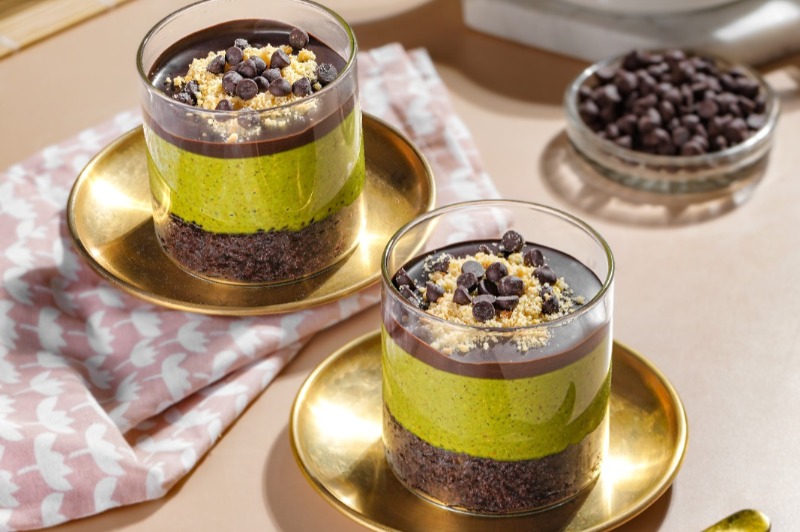
Trending Pistachio Desserts Taking the Industry
Pistachio has become one of the most popular ingredients in the dessert industry over the past few years. Its growing popularity is driven by its naturally vibrant green color, premium nutty flavor, and the influence of dessert trends from the Middle East and Europe.
Read More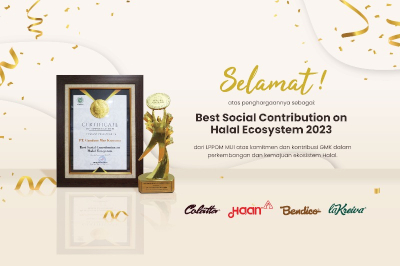
Gandum Mas Kencana Raih Best Social Contribution on Halal Ecosystem
Berhasil membuktikan komitmennya dalam memberikan produk yang aman, sehat dan halal bagi masyarakat Indonesia, Gandum Mas Kencana raih penghargaan dalam Halal Award 2023. Penghargaan ini diberikan oleh Lembaga Pengkajian Pangan, Obat-obatan, dan Kosmetika Majelis Ulama Indonesia (LPPOM MUI) kepada mitranya yang telah memiliki sertifikat halal sesuai dengan kriteria yang diperlombakan.
Read More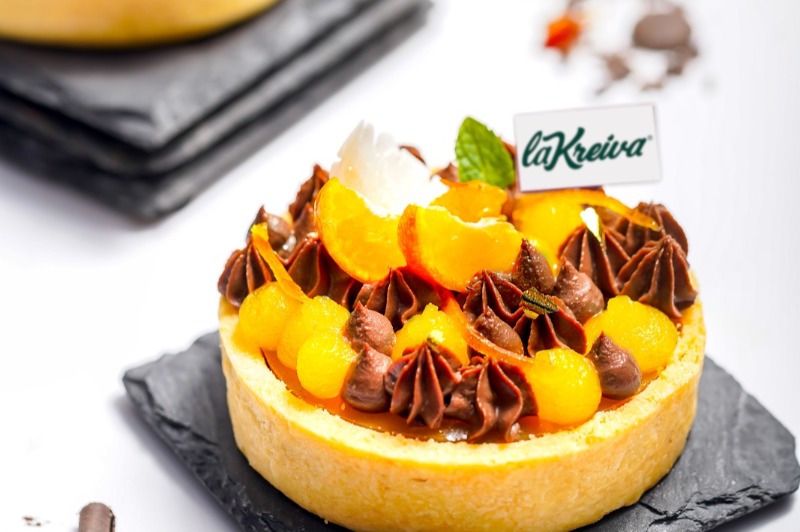
The Convenience of Ready-to-Use Tart Shells
Tarts are one of the desserts commonly associated with sweet flavors and come in various sizes—large, medium, and small. Try making crispy tarts with a variety of fillings that will surely brighten your day.
Read More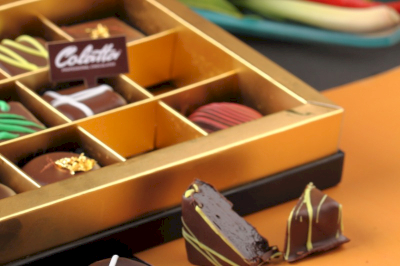
Berkreasi dengan Cokelat Colatta
Seperti apa kegunaan cokelat Colatta dan bisa dikreasikan sebagai apa saja?
Read More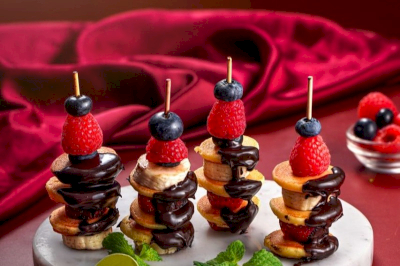
Pentingnya Tampilan Menarik Pada Sajian Dessert
Dessert atau hidangan penutup kini telah menjadi favorit banyak orang dan menjadi pelengkap pada saat menikmati makanan dalam satu rangkaian. Mangkonsumsi sesuatu yang manis dan segar setelah makan sudah menjadi sebuah tradisi.
Read More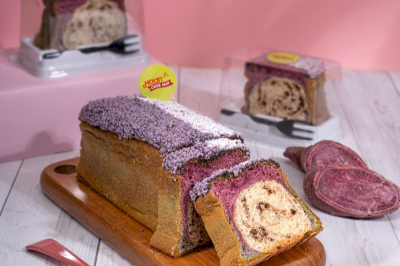
Chiffon Bread Twist
It looks like bread, but it's a sponge cake? It's called Cake Bread! The delicious combination of taro-flavored sponge cake and a generous chocolate filling.
Read More
Pentingnya Keamanan Pangan
Saat ini masyarakat semakin peduli dengan kesehatan dan kehigienisan suatu produk. Proses dan kemasan produk sebaiknya dapat memberikan jaminan kualitas dan kebersihan produk, apalagi di era pandemi seperti saat ini masyarakat perlu merasa lebih aman dan nyaman dengan apa yang akan dikonsumsi pribadi maupun keluarganya.
Read More
Drip Chocolate Cake, Tren Dekorasi Cantik & Mudah
Hal pertama yang bisa memikat perhatian dari calon pembeli saat melihat jajaran cake, dessert, ataupun pastry salah satunya adalah dekorasinya yang cantik. Selain rasa, dekorasi merupakan atribut penentu keputusan calon pembeli dalam membeli atau memesan berbagai cake. Uniknya, dekorasi cake dapat membuat kreasi yang sederhana menjadi lebih variatif dan kreatif.
Read More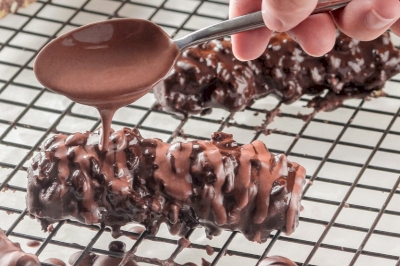
Pilihlah Cokelat Sesuai Kebutuhanmu
Cokelat merupakan salah satu bahan makanan berasal dari biji kakao. Cokelat memiliki berbagai varian rasa dan bentuk, dan menjadi makanan paling digemari oleh berbagai kalangan, mulai dari orang tua sampai anak kecil.
Read More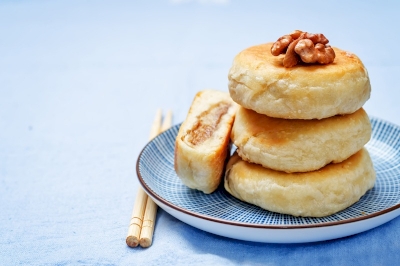
Lembut dan Kenyalnya Hotteok, Pancake Ala Korea
Tak hanya di negara Eropa, Korea Selatan juga punya pancake yang legit. Terbuat dari adonan tepung terigu yang dipadukan dengan ragi plus beraneka isian yang manis dan gurih. Camilan ini biasanya jadi kudapan masyarakat Korea di musim dingin. Korea Selatan memiliki banyak kuliner lezat. Terlebih pada jajanan kaki limanya yang paling dicari banyak wisatawan ketika tiba di Negeri Ginseng itu.
Read More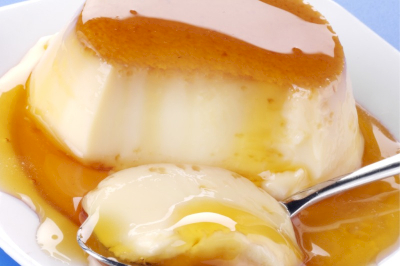
Sensasi Lembut Creme Caramel Flan
Crème Caramel Flan atau Caramel Custard adalah dessert atau makanan penutup yang khas dengan lapisan saus karamel bening. Sajian yang berasal dari Perancis ini memiliki rasa yang sangat lezat, manis dan teksturnya yang super silky.
Read More
Keunggulan Colatta Dark Compound Colatta
Cokelat compound merupakan cokelat yang paling banyak diminati dan digunakan di pasar Indonesia. Salah satunya dikarenakan suhu di Indonesia yang termasuk ke dalam iklim tropis, sehingga cokelat jenis compound lebih tahan dalam suhu ruang dan mudah diaplikasikan. Selain itu untuk biaya produksi, cokelat compound sangat terjangkau dan dianggap paling aman karena tidak butuh penanganan khusus untuk menggunakannya. Cukup dilelehkan dengan teknik tim/au bain marrie, cokelat lalu siap diolah menjadi sajian lezat.
Read More
Sajian Iftar Favorit di Bulan Ramadhan
Sajian iftar atau biasa dikenal umum sebagai takjil menjadi hidangan yang dinanti-nanti saat berbuka puasa. Tidak hanya menyiapkan makanan pokok dan minuman, kita biasanya menyiapkan makanan tambahan untuk pelengkap buka puasa, yakni takjil.
Read More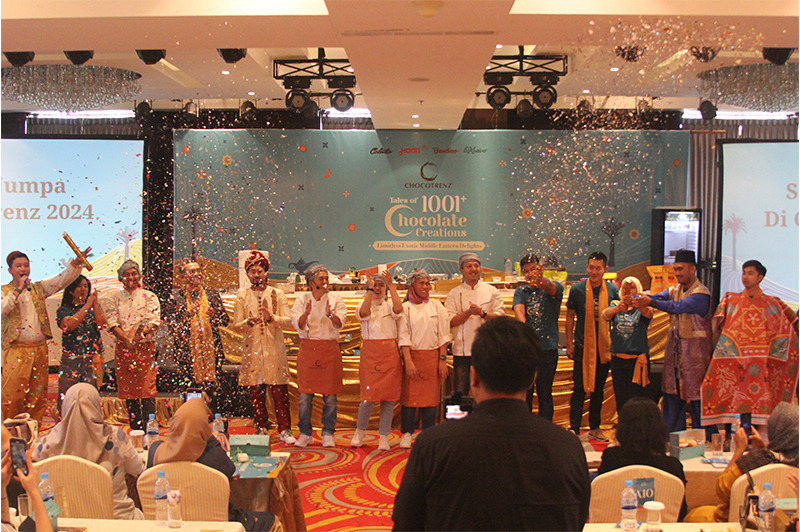
Chocotrenz 2023 - Tales of 1001 Chocolate Creations
Chocotrenz hadir kembali! Seperti tahun-tahun sebelumnya, Chocotrenz selalu mengusung kreasi yang unik dan out of the box. Di Chocotrenz kali ini, Gandum Mas Kencana selaku produsen dari produk Colatta, Haan, Bendico dan La Kreiva mengusung tema “Tales of 1001 Chocolate Creations”
Read More
Alternatif Kreasi F&B Di Tengah Pandemi
Jika Colavers sedang berpergian dan ingin membawa oleh-oleh dengan bahan dasar cokelat, Colavers harus menyimpan oleh-oleh tersebut di dalam tempat yang tertutup. Tak ingin pasrah dengan keadaan terpuruk dalam kondisi wabah Covid 19, banyak penyedia layanan makanan ataupun minuman harus memutar otak untuk tetap menghidupkan bisnis yang menurun drastis. Beberapa perusahaan kini dituntut untuk berlomba-lomba berkreasi demi mendongkrak penjualan masing-masing. Salah satu cara adalah dengan menyediakan menu khusus dengan jumlah yang lebih besar untuk dikonsumsi bersama keluarga hingga menu yang bisa dimasak di rumah. Berikut salah satu contohnya:
Read More
Wedang Jahe Cokelat, Alternatif Minuman Menyehatkan
Jahe dikenal sebagai antibiotik alami, begitu pula cokelat asli. Minum secangkir wedang jahe tidak hanya nyaman untuk tubuh, tetapi juga memberi banyak manfaat kesehatan. Jika perut dirasa tidak nyaman, mengonsumsi wedang jahe dapat membantu menghangatkan perut. Kombinasi cokelat dan jahe tentu jadi alternatif minuman yang baik untuk kesehatan.
Read More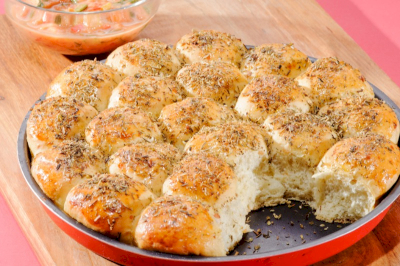
Lembutnya Roti Klasik Kembali Diminati
Roti zaman dulu (jadul) atau roti klasik kembali diminati masyarakat. Tidak hanya karena sesuai selera beragam inovasi topping kekinin juga menjadi daya tarik pembeli. Kini semakin banyak toko kue di Indonesia yang kembali menjual roti jadul klasik seperti roti keset, roti sobek, hingga roti sisir.
Read More
Serradura, Dessert 'Serbuk Gergaji' Asal Portugis
Makanan penutup Serradura atau dikenal juga dengan puding serbuk gergaji adalah salah satu makanan penutup tradisional asal Portugis yang paling mudah dibuat. Makanan penutup Portugis ini sangat sederhana, tanpa proses pemanggangan dan dibuat dari biskuit marie, susu kental, krim kocok, dan ekstrak vanila. Serradura yang berarti “serbuk gergaji” dalam bahasa Portugis ini dinamakan demikian, karena topping biskuit marie yang dihancurkan menyerupai serbuk gergaji.
Read More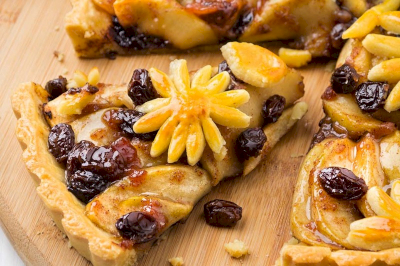
Padanan Cokelat dengan Berbagai Elemen Pie
Memiliki cita rasa yang manis dan lembut, cokelat menjadi salah satu jenis makanan yang digemari oleh banyak orang. Cara menikmatinya pun sangat beragam; bisa dinikmati secara langsung, diolah menjadi minuman, ataupun dimasak hingga menjadi dessert yang menggugah selera.
Read More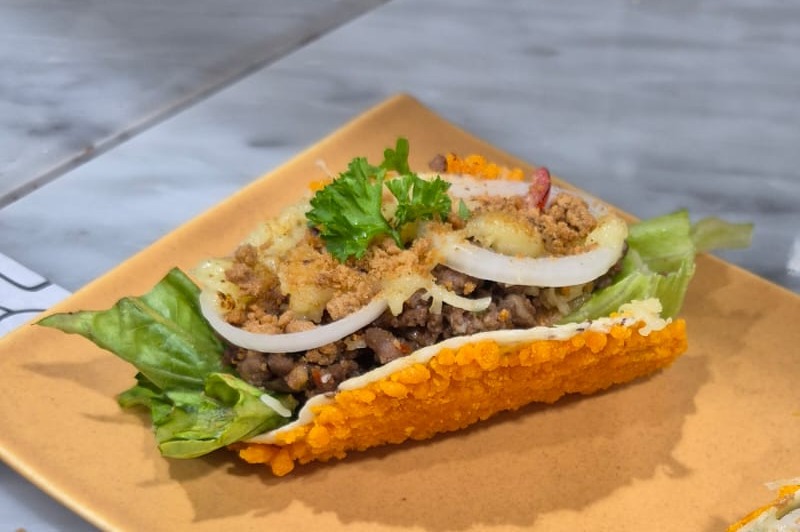
Wrap Bread Creations and Innovations
A wrap is not a traditional bread that originates from a single country. Rather, it is a food concept that uses flatbread to enclose a variety of fillings.
Read More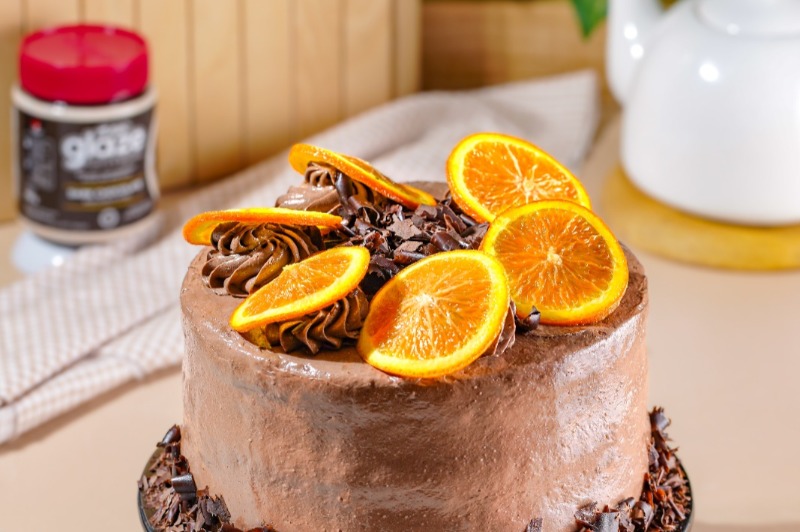
Citrus, the Fresh Tangy Flavor Enhancer in Cakes
Cakes made with oranges are a type of cake that use oranges as a key ingredient to provide a fresh taste and natural aroma. Oranges can be incorporated in the form of freshly squeezed juice, grated orange peel (orange zest), fruit segments, or orange syrup. The combination of the cake’s sweetness and the bright acidity of oranges creates a well-balanced flavor that is light and not overly rich.
Read More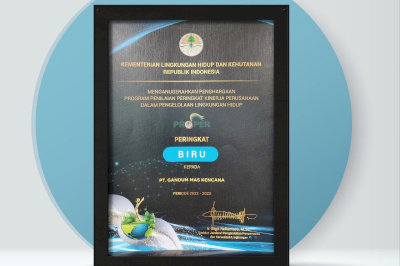
Selamat! GMK Raih Peringkat Biru dalam Pengelolaan Lingkungan Hidup
GMK berhasil meraih peringkat Biru dalam penilaian peringkat kinerja perusahaan dalam pengelolaan lingkungan hidup.
Read More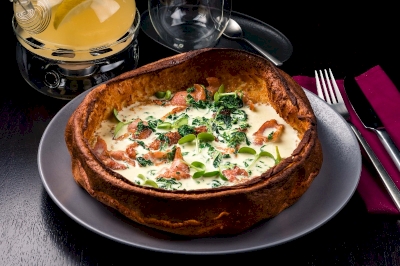
Baby Dutch Pancake, Si Pancake Giant
Pancake umumnya berbentuk kue dadar bulat yang ditumpuk serta dilengkapi dengan berbagai topping manis seperti cokelat, selai, madu, hingga ice cream yang digemari banyak kalangan.
Read More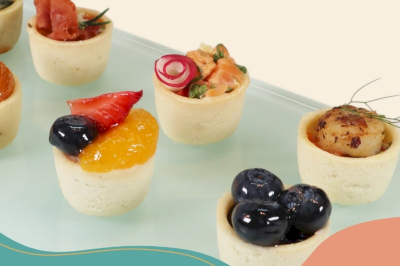
Baru! Tart Shell Manis dan Gurih
Siapa yang tidak suka dengan Tart? Salah satu jenis dessert yang identik dengan rasa manis dengan ukuran besar, sedang, dan kecil ini juga bisa dikreasikan untuk varian gurihnya loh! Siapa pun bisa cobain bikin tart yang renyah dengan berbagai macam varian isi yang pasti bikin kamu semangat menjalani harimu deh.
Read More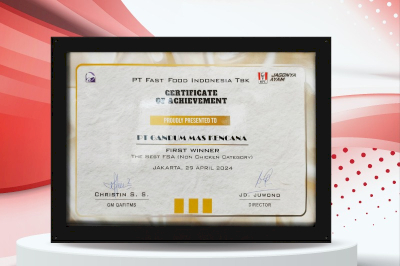
GMK Berhasil Raih Juara Pertama Penghargaan Audit Bergengsi di Indonesia
KFC di bawah naungan PT Fast Food Indonesia rutin menyelenggarakan rangkaian audit terhadap para suppliernya menggunakan standard tinggi FSA Yum!Brand yang sangat mendetail.
Read More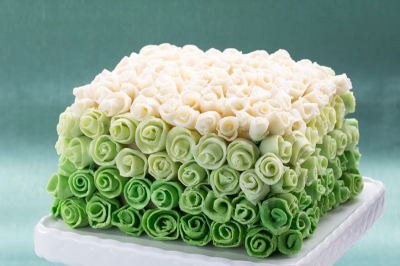
Kreasi Ombre dengan Colatta ChocoArt!
Ombre cake,sebutan untuk cake yang dihias dengan warna gradasi cantik pasti sudah tidak asing di telingamu. Meski tren ombre sudah lama, namun jenis cake dan dessert yang banyak ditampilkan di sejumlah café dan bakery ini tetap digemari oleh banyak orang. Warnanya yang cantik karena kombinasi dari dua warna atau lebih, bisa dijadikan alternative untuk beberapa acara seperti ulang tahun, anniversary bahkan diperuntukkan orang terkasih.
Read More
Konsumsi Cokelat Saat Sahur dan Berbuka Baik Bagi Tubuh
Tidak hanya enak, cokelat juga menjadi makanan penggugah mood alias suasana hati. Makan cokelat bisa membuat pikiran dan hati lebih bahagia. Jika dikonsumsi dengan benar saat sahur dan berbuka, ternyata cokelat memiliki banyak manfaat bagi tubuh.
Read More
Tips Agar Hampers Banjir Order
Meskipun masuk dalam kategori bisnis musiman, namun peluang usaha hampers tidak bisa dianggap remeh. Bisnis hampers bisa dibilang pamornya sedang naik daun sejak beberapa tahun belakangan meski pandemi melanda. Tertarik untuk memulai bisnis hampers? Berikut tipsnya:
Read More
Berkreasi Dengan Colatta Compound Chocolate
Colatta Compound sering digunakan untuk berbagai campuran olahan cokelat dan aplikasi cetak, alasannya karena Colatta memiliki cita rasa khas cokelat yang lezat dengan intensitas rasa cokelat yang kuat, siapa saja yang menikmatinya pasti suka. Seperti apa kegunaan cokelat Colatta dan bisa dikreasikan untuk apa saja ya?
Read More